Trenchless Sewer Line Replacement: 7 Disadvantages to Know Before You Hire
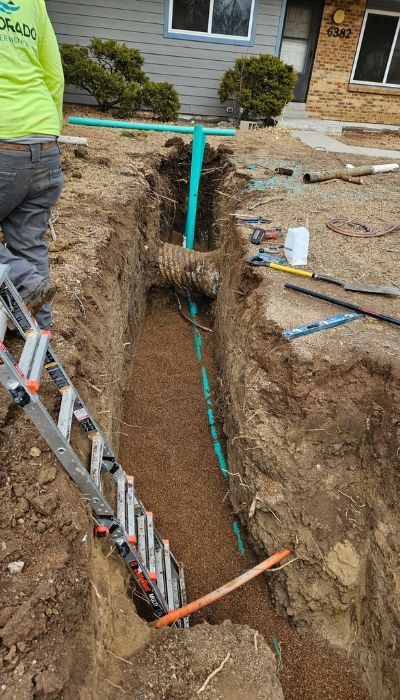
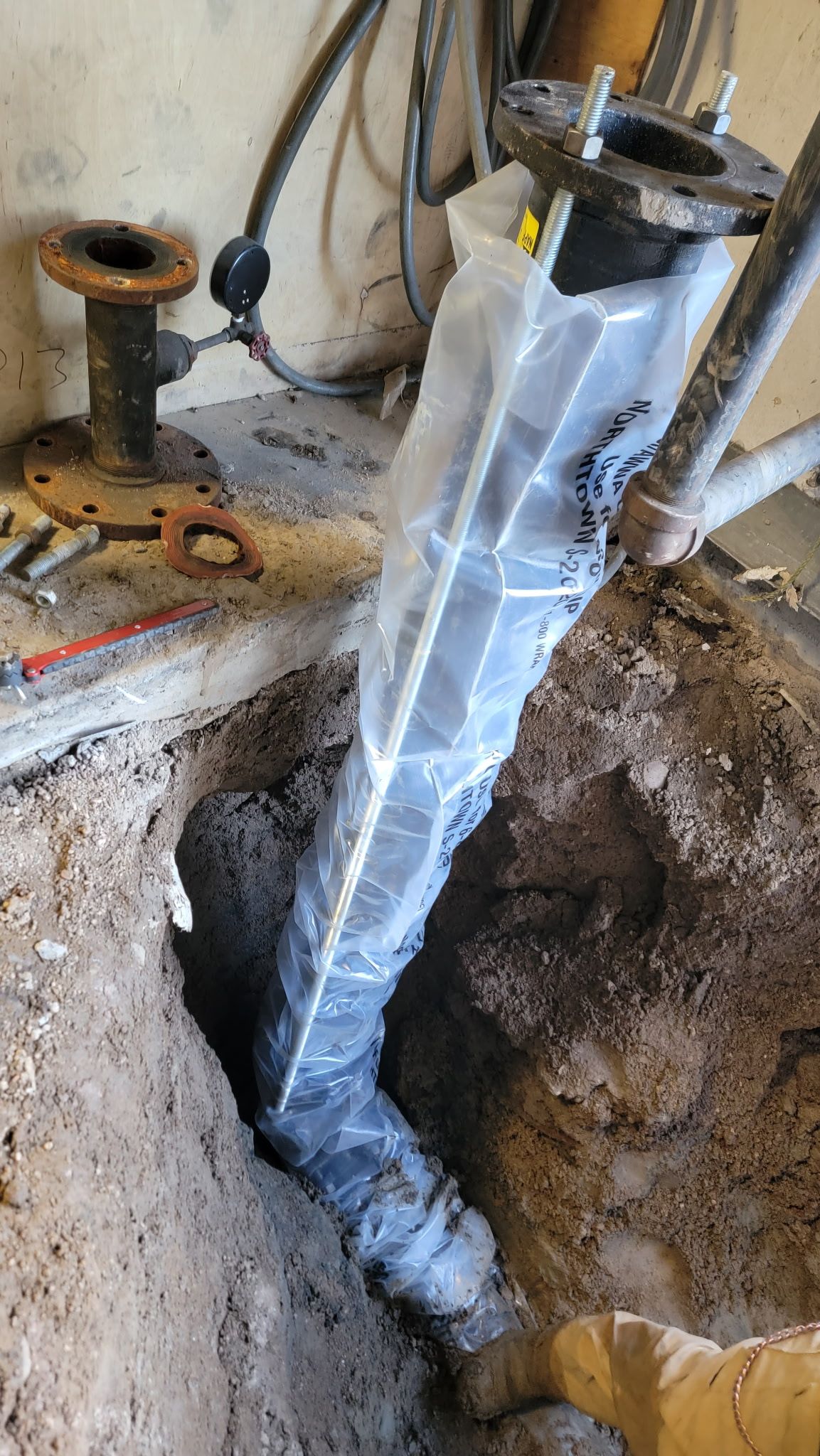
Plenty of homes across Englewood and the Denver metro still run on the original clay or cast-iron sewer line. It's the same line that came with the house [SOURCE TBD: U.S. Census Bureau housing age data]. When that line finally fails, trenchless sewer line replacement in Englewood, CO sounds like the easy fix. Dig one small pit, pull a new pipe through, and skip the torn-up yard.
Trenchless isn't right for every home, though. We're a family-owned, Master Plumber-licensed team (License #0004643) based in Englewood. Colorado Water Works has walked homeowners through this exact decision more times than we can count. Some yards are perfect candidates. Others aren't, and finding out too late costs real money.
This guide covers the seven real disadvantages of trenchless sewer line replacement. Now you'll know the trade-offs before you sign anything. We'll also cover when trenchless still makes sense and how it stacks up against a traditional dig. Then we'll look at what Colorado's soil and permitting rules mean for your project.
What Are the Disadvantages of Trenchless Sewer Line Replacement?
Trenchless sewer line replacement has some real downsides you should know before you hire anyone:
- It often costs more upfront than a traditional dig-and-replace.
- It doesn't work well on badly collapsed or crushed pipe.
- It can't fix multiple bends or major layout problems.
- Root damage can come back if the root cause isn't cleared first.
- Not every soil type, including Colorado's expansive clay, is a good fit.
- Permits and inspections still apply. So it isn't always faster.
- Fewer local contractors are trained and equipped to do it right.
Not sure if trenchless is right for your home? Talk to a licensed Englewood CO plumber for an on-site look at your pipe.
7 Disadvantages of Trenchless Sewer Line Replacement
Before you commit to trenchless, weigh these seven drawbacks against your own situation.
1. Higher upfront cost. Trenchless often costs more than a traditional dig-and-replace for the same length of pipe [SOURCE TBD: cost comparison guide]. The equipment and materials cost more, even though labor time may be shorter.
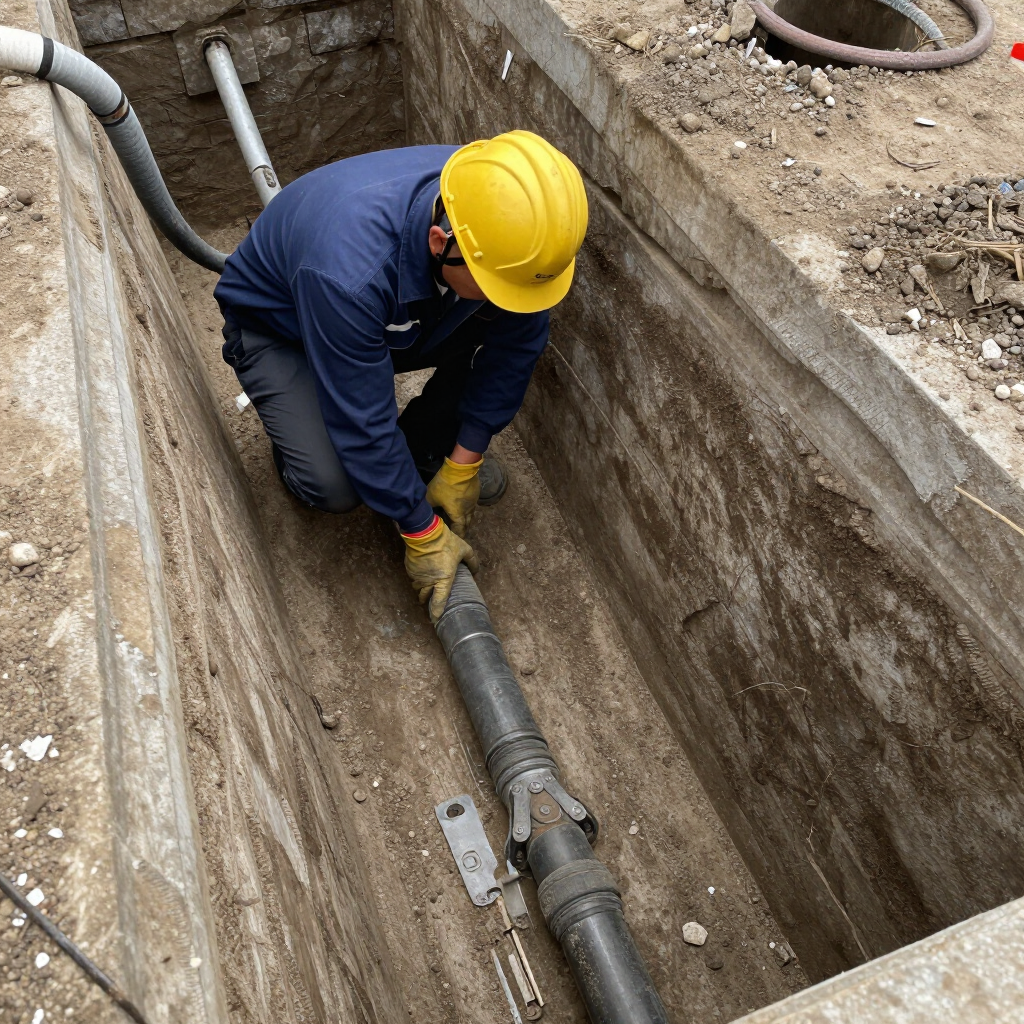
2. Won't work on badly damaged pipe. If your line is crushed, collapsed, or badly out of line, trenchless methods can't pull through it. They can't coat it properly either. A traditional dig becomes the only option.
3. Limited fix for bends and offsets. Trenchless works best on a fairly straight run. Multiple bends, elbows, or layout changes make both pipe bursting and CIPP lining much harder to do well.
4. Root intrusion can return. A new liner or burst-in pipe doesn't remove tree roots already pressing on the line from outside. If the root cause isn't cleared, roots can find their way back in.
5. Soil conditions matter. Colorado's expansive clay soil shifts with moisture and temperature. That movement can stress a newly placed liner or pipe if the soil around it isn't stable.
6. Permits still apply. Trenchless doesn't skip the paperwork. You still need permits and inspections in most Denver metro areas. That means it isn't always the faster option it's made out to be.
7. Fewer qualified contractors. Trenchless equipment and training cost more than a shovel and a backhoe. That means fewer local plumbers are set up to do it right.
One thing we see constantly on Englewood calls: a homeowner gets a trenchless quote over the phone. Then the camera inspection finds a collapsed section that rules trenchless out entirely. That's why an in-person look at the pipe always comes before we suggest a fix.
When Trenchless Still Makes Sense
Trenchless isn't a bad option. It's just not universal. In the right situation, it's often the smarter, less disruptive choice.
Trenchless tends to work well when:
- The pipe run is fairly straight, with only minor cracks or wear
- Mature landscaping or hardscaping would make a full dig expensive to repair
- The yard has limited access for heavy equipment
- The original pipe path is intact and usable
Homes that check these boxes are usually good fits. And in Englewood, where mature trees and established yards are common, that combination shows up often.
Trenchless vs. Traditional Dig-and-Replace: Key Differences
Here's how the two methods compare side by side.
| Factor | Trenchless | Traditional Dig |
|---|---|---|
| Cost | Often higher upfront [SOURCE TBD] | Often lower for simple, accessible runs |
| Timeline | Typically 1-2 days | Can take longer with digging and backfill |
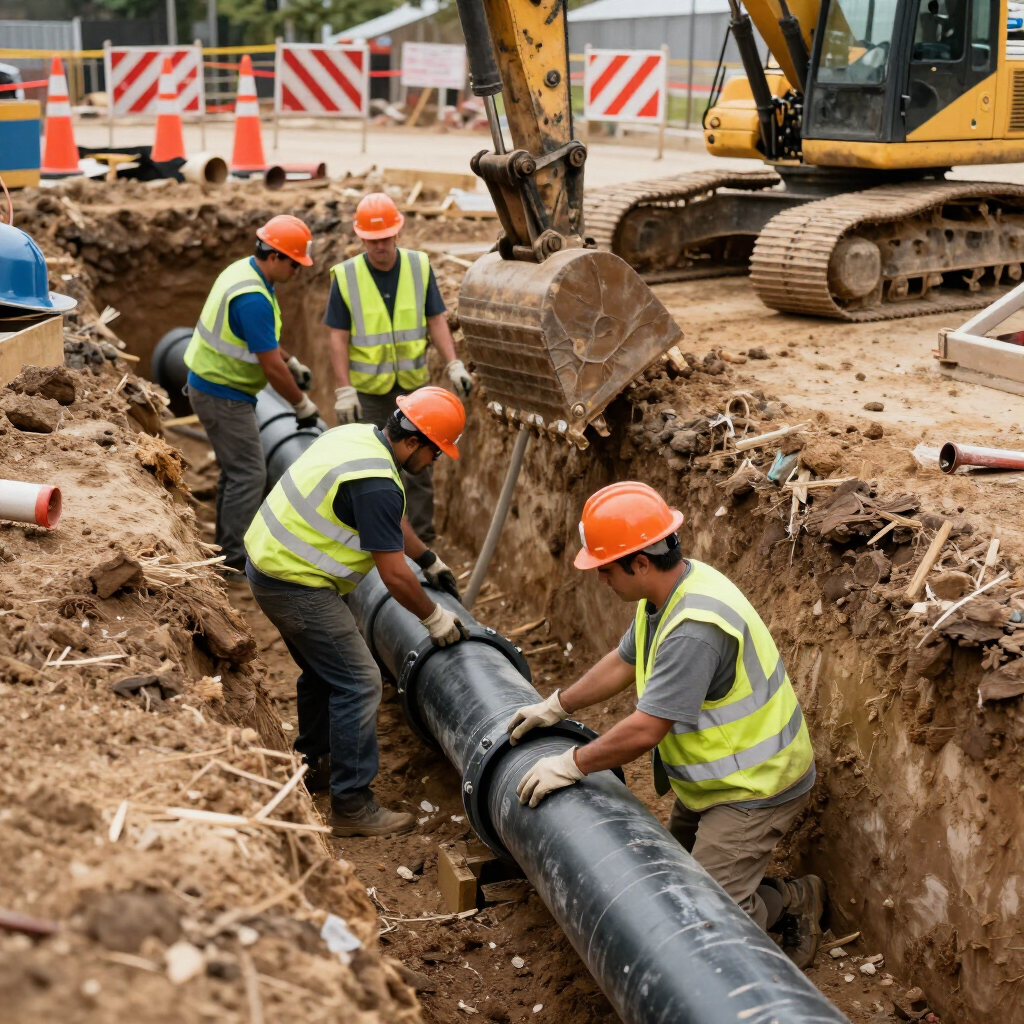
| Yard disruption | Minimal, small access pits only | Full trench across the pipe path |
| Pipe condition needed | Straight run, no severe damage | Works on collapsed or badly damaged pipe |
| Permits & inspection | Required | Required |
Neither method skips the permit process. Once you see the two side by side, the real trade-offs are easier to weigh.
Every yard and every pipe is different. Get a professional opinion from your one uf our licensed plumbers before you decide.
Colorado-Specific Factors That Affect Your Decision
Colorado's Front Range brings its own set of challenges to any sewer project. That includes real soil movement [SOURCE TBD: Colorado Geological Survey or local soils report]. Expansive clay soil swells when it's wet and shrinks when it dries out. That freeze-thaw movement puts real stress on underground pipe, trenchless or not.
Many Englewood and Denver metro homes still have their original clay pipe from decades ago. Older pipe combined with shifting soil is exactly why a proper inspection matters so much here.
Local rules add another layer. Permits are required for sewer line replacement work in most Denver metro cities [SOURCE TBD: municipal permitting requirements]. In Colorado, only a DORA-licensed plumber can legally perform sewer line work. That protects you from unlicensed shortcuts.
Most of the time when this happens in older Englewood neighborhoods, the clay soil is the reason. It's already shifted the pipe out of line before the homeowner ever notices a problem. That's often the detail that rules trenchless in or out. If you want a straight answer, talk to a trenchless sewer specialist before committing to either method.
How an Englewood, CO Plumber Helps You Choose the Right Method
A camera inspection should always come before you pick a method. It's the only way to see the actual condition, slope, and layout of your pipe instead of guessing.
When we inspect a line, we check the pipe material, the slope, and the soil around it. We also look at how much yard access we have to work with. All four factors shape which method actually makes sense for your home.
Licensing matters here too. Our team holds a Colorado Master Plumber license. That DORA licensing means we know the local permit rules inside and out. That knowledge protects you from costly mistakes and code problems down the road.
What homeowners don't realize is that the method they expect isn't always the method that gets recommended. We had one Englewood homeowner request trenchless sewer line replacement. The camera inspection found a section so out of line that a traditional repair actually saved them money.
If you're weighing trenchless sewer line replacement in Englewood, CO, don't guess. Schedule a sewer line inspection with your Englewood, CO plumbing team. Get a straight answer on what your pipe actually needs.
Colorado Water Works
Phone: (720) 320-6981
Serving Englewood and the Denver Metro
Recent Posts