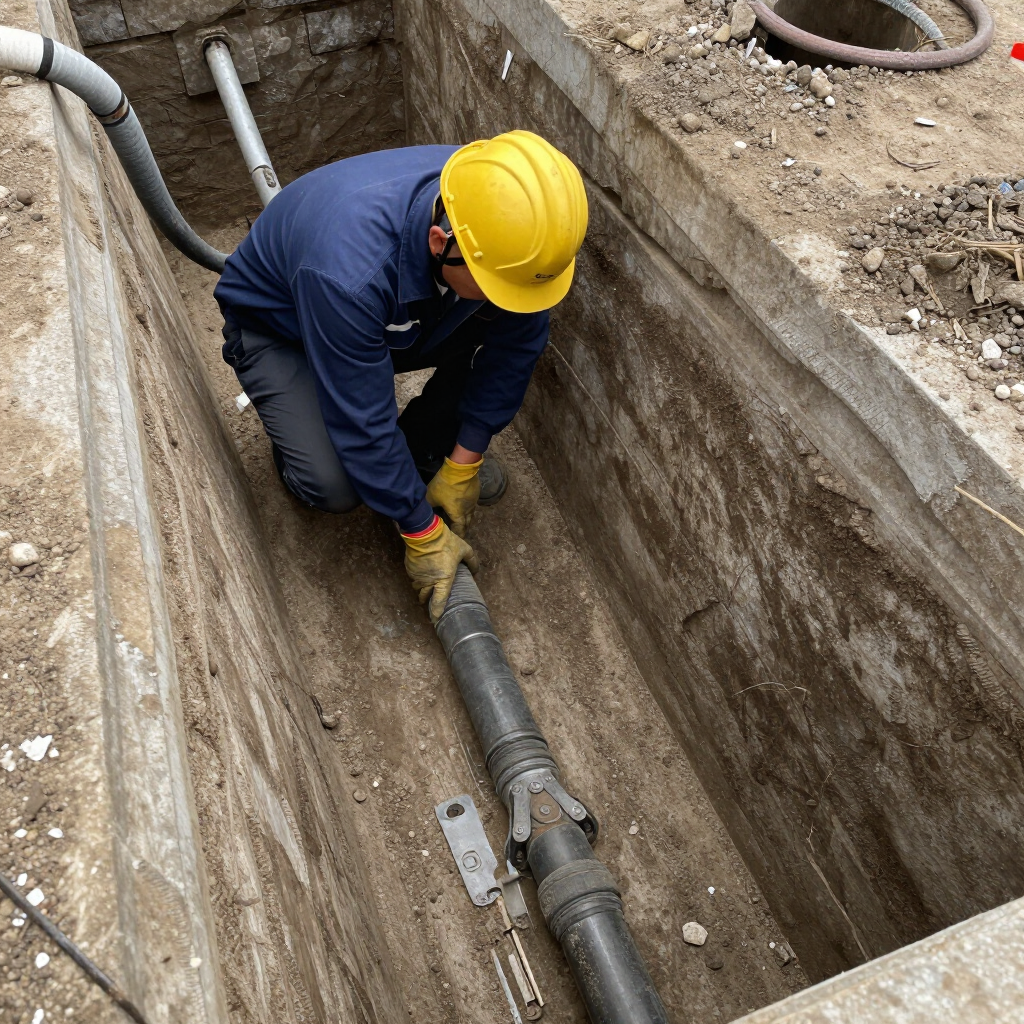
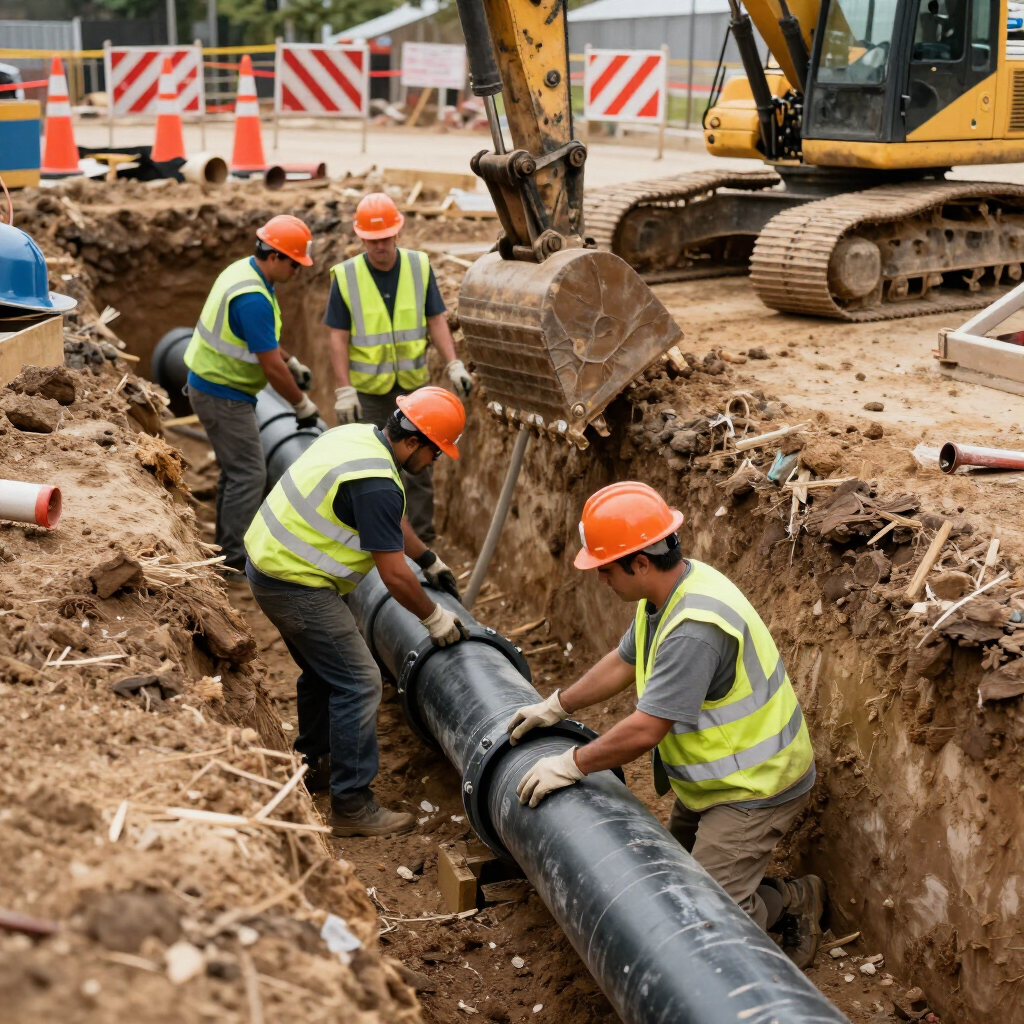
A CIPP sewer liner is a modern solution used in trenchless sewer repair to restore underground pipes without extensive digging. If you are wondering what a CIPP sewer liner is, it is a flexible liner placed inside an existing pipe and cured to create a strong, smooth inner pipe. This method is widely used in sewer pipe lining in Denver projects because it helps extend the life of sewer systems while protecting surrounding property.
Traditional sewer work often required large trenches that disrupted landscapes and outdoor surfaces. Today, sewer liner installation using CIPP technology allows technicians to repair pipes with minimal surface disturbance. Because of this efficiency, many homeowners and businesses choose trenchless sewer repair to improve their sewer systems.
Understanding What a CIPP Sewer Liner Is
Many property owners first learn about trenchless repair when looking for efficient sewer solutions. Understanding how a CIPP sewer liner in Denver works helps people see why it has become a trusted method for maintaining underground pipes. Instead of replacing the entire pipe, the liner restores the existing structure from the inside.
In cities like Denver where many properties have older sewer lines, this method offers a practical way to upgrade pipelines. It allows technicians to strengthen the pipe system while keeping outdoor spaces such as gardens, sidewalks, and driveways intact.
Meaning of CIPP Sewer Lining
CIPP stands for Cured In Place Pipe. This process involves inserting a flexible liner coated with a special resin into an existing pipe. Once the liner is positioned correctly, it is expanded so it fits tightly along the pipe walls.
How the Liner Forms a New Pipe
After the liner is placed inside the pipe, it is cured using heat, steam, or ultraviolet light. This curing process allows the resin to harden and form a smooth, durable inner pipe. The new pipe layer strengthens the sewer system and helps improve water flow.
Why This Method Works Well
The liner adapts to the shape of the existing pipe and seals small gaps along the interior. As a result, the system becomes stronger and more efficient. For many sewer pipe lining projects, CIPP lining provides a reliable way to extend pipe life.
How Trenchless Sewer Repair Works
The trenchless sewer repair process uses modern technology to restore pipes without major excavation. Each step focuses on preparing the existing pipe and installing the liner carefully to create a durable new interior surface.
This approach is efficient and practical, which is why it is widely used in both residential and commercial plumbing projects.
Sewer Camera Inspection
The process usually begins with a detailed camera inspection. A small waterproof camera travels through the pipe to evaluate its condition and identify areas that would benefit from sewer liner installation.
Cleaning the Existing Pipe
Technicians clean the pipe thoroughly before installing the liner. High pressure water or specialized tools remove debris and buildup so the liner can bond securely to the pipe walls.
Liner Installation and Curing
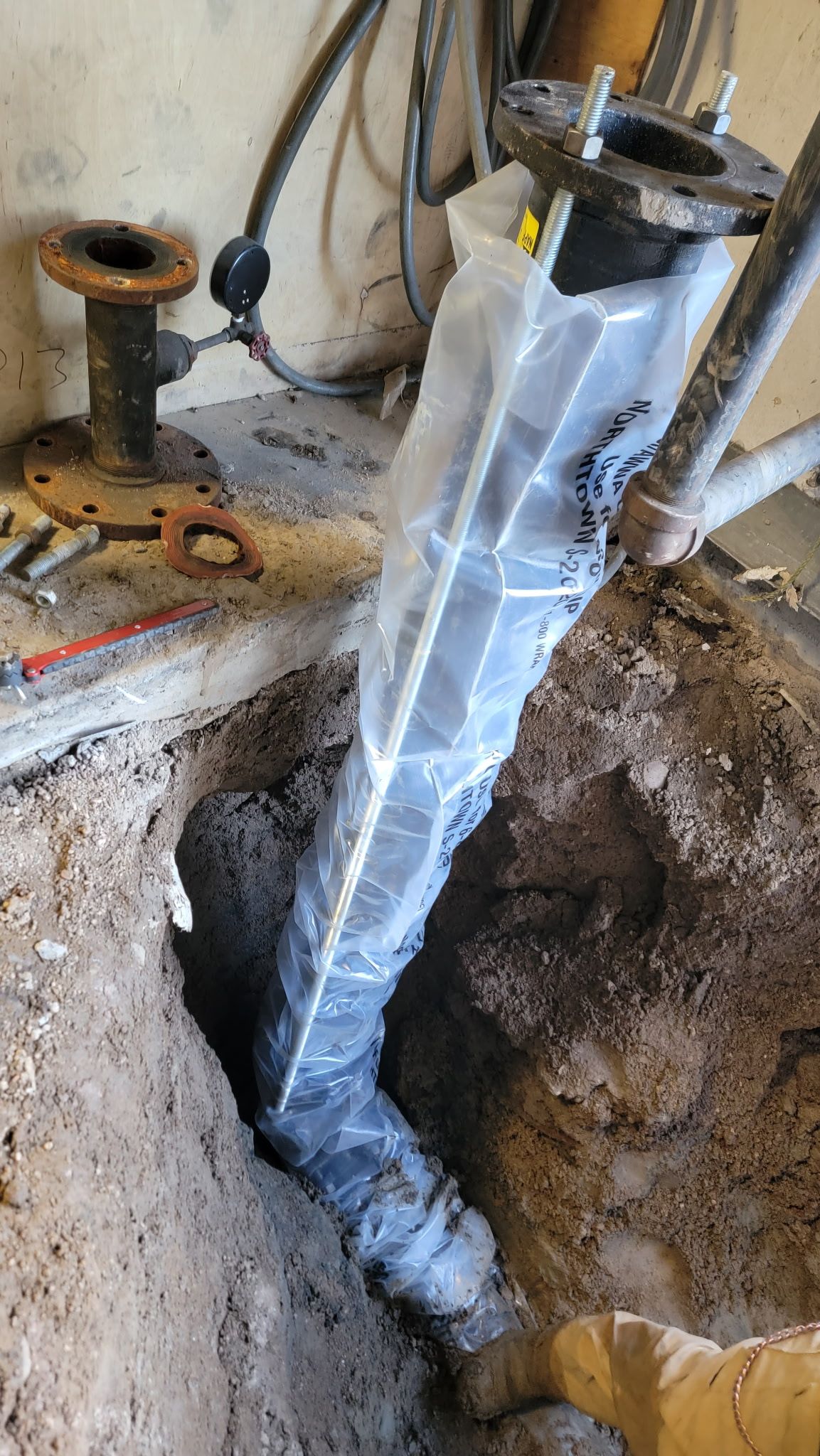
The resin soaked liner is then inserted into the pipe and expanded so it fits evenly along the interior. Heat or light is applied to cure the resin, forming a smooth and durable pipe within the existing structure.
When a CIPP Sewer Liner Is Used in Denver
Sewer systems naturally age over time, and CIPP lining offers an efficient way to refresh existing pipelines. Instead of replacing entire systems, this technology allows technicians to strengthen the pipe structure from within.
Because the process requires minimal digging, it works especially well for pipes located beneath outdoor surfaces or landscaped areas.
Improving Pipe Structure
A CIPP sewer liner is often used to reinforce pipes and improve their durability. The cured liner strengthens the pipe walls and supports consistent wastewater flow.
Supporting Long Term Sewer Performance
Tree roots and environmental conditions can affect sewer systems over time. Installing a CIPP liner helps create a smooth interior surface that supports efficient water movement through the pipe.
Protecting Outdoor Spaces
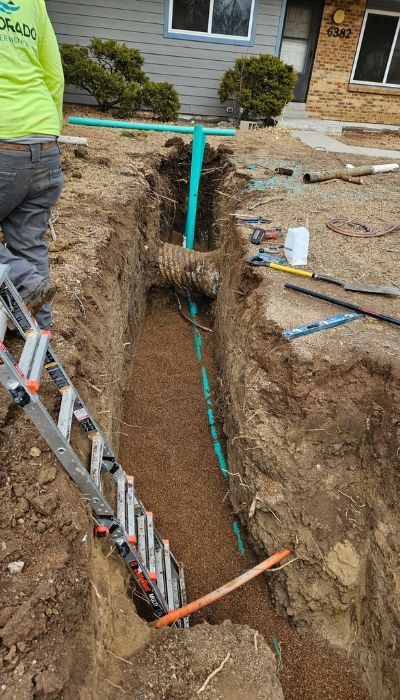
Many sewer lines run beneath patios, sidewalks, and landscaped yards. Trenchless sewer repair allows technicians to restore these pipes while keeping the surrounding property intact.
Benefits of Sewer Pipe Lining in Denver
Many property owners prefer sewer pipe lining because it offers several practical advantages. This modern repair method focuses on efficiency, durability, and convenience.
Minimal Surface Disruption
One of the most appreciated benefits of sewer pipe lining is that it protects outdoor spaces. Since the liner is installed from access points, landscaping and driveways remain undisturbed.
Long Lasting Sewer Support
A properly installed CIPP sewer liner can provide reliable performance for many years. The cured material is strong and resistant to common environmental stresses.
Efficient Repair Process
Compared with traditional methods, trenchless sewer repair in Denver can often be completed quickly. This allows homeowners and businesses to restore their plumbing systems with minimal interruption.
Why CIPP Sewer Lining Works Well in Denver
Denver’s environment and infrastructure make trenchless sewer repair an excellent solution for maintaining sewer systems. Many homes in the area have pipelines that benefit from modern restoration techniques.
Supporting Older Sewer Systems
Many properties still rely on older pipes made from clay or metal. CIPP lining helps strengthen these systems and extend their lifespan.
Adapting to Local Conditions
Seasonal weather changes can affect underground pipes. Sewer liner installation provides a durable inner layer that supports reliable sewer performance.
Maintaining Property Appearance
Because sewer lines often run beneath outdoor areas, sewer pipe lining helps preserve the appearance of driveways, sidewalks, and landscaping while improving the pipe system.
Conclusion
Learning what is a CIPP sewer liner helps homeowners and property managers understand one of the most efficient modern plumbing solutions. This technology restores existing pipes through trenchless sewer repair, allowing technicians to strengthen sewer systems without large scale excavation.
Through sewer liner installation, a durable pipe is created inside the original pipeline. The result is a smooth interior surface that supports reliable wastewater flow and long term performance. For many sewer pipe lining projects, CIPP lining provides an effective and convenient way to maintain healthy sewer systems. Contact Colorado Water Works for expert CIPP sewer liner installation and trenchless pipe repair services.
Frequently Asked Questions