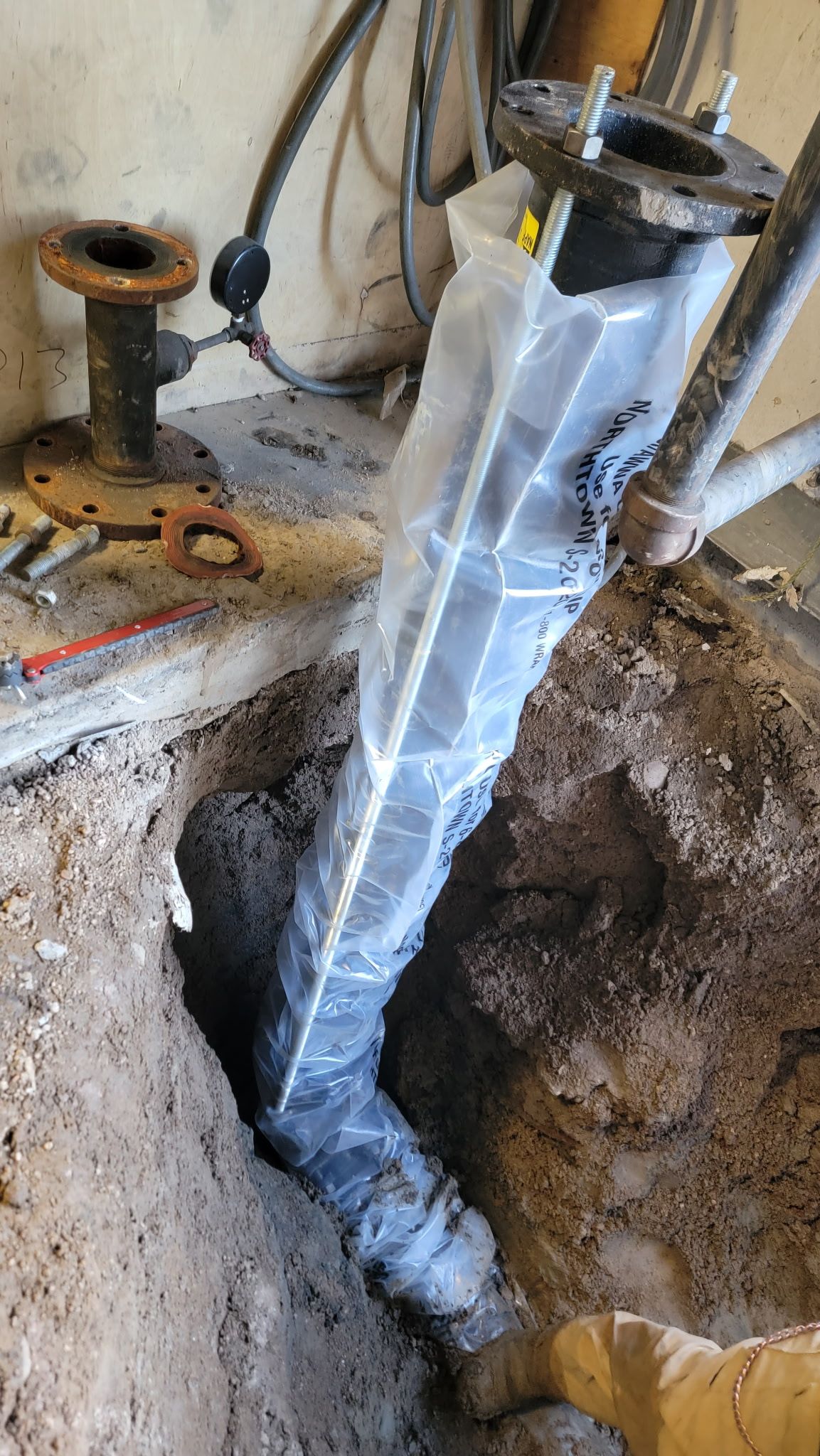
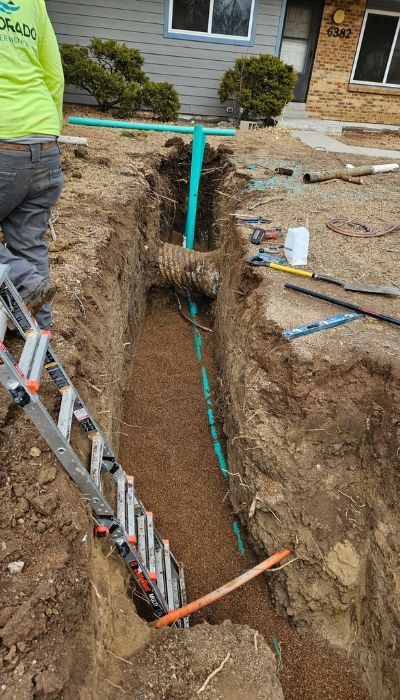
If you are planning a sewer repair project, you may wonder whether a CIPP sewer liner permit is required. Many cities have guidelines for sewer work to ensure that installations meet safety and infrastructure standards. In Denver, permits help confirm that sewer liner installation and trenchless sewer repair projects follow local regulations.
A permit process also helps protect homeowners and the public sewer system. By following sewer permit requirements, property owners can ensure that their sewer repair project is completed correctly and meets local compliance standards.
Understanding Sewer Permit Requirements in Denver
Before starting any sewer repair project, it is helpful to understand how the permitting process works. Permits are designed to maintain safety and ensure that plumbing work meets city guidelines.
When a CIPP sewer liner permit in Denver is required, it confirms that the repair method and installation process align with local building and plumbing regulations. This process helps keep sewer infrastructure functioning smoothly throughout the city.
Why Permits Are Required for Sewer Work
Permits play an important role in maintaining safe and reliable sewer systems within a city. When a sewer repair project is planned, obtaining the proper permit helps ensure that the work follows local building and plumbing guidelines. These regulations are designed to protect both private property and the public sewer infrastructure that serves the entire community.
One of the main reasons permits are required is to make sure that sewer repairs meet approved technical standards. Sewer systems connect homes and businesses to the larger municipal wastewater network, so any repair work must be completed carefully. Permit approval allows local authorities to review the repair method and confirm that it supports the long term performance of the sewer system.
How Permits Support Quality Installation
Permit approvals often include project documentation and inspections. These steps help verify that the trenchless sewer approval process and installation methods meet local requirements.
Protecting Public Sewer Systems
Sewer systems connect many homes and buildings. Permit regulations help maintain system reliability and ensure that repairs support the overall performance of the city’s wastewater network.
When a CIPP Sewer Liner Permit May Be Needed
Many trenchless sewer repair projects involve work on pipes that connect directly to the municipal sewer system. Because of this connection, permits may be part of the project planning process. Understanding when a permit may apply helps property owners prepare for the installation process and avoid delays.
Sewer Line Repairs Connected to City Systems
If the repair involves pipes that connect to the public sewer line, a sewer permit may be required. This ensures that the repair meets municipal plumbing standards.
Projects Involving Structural Sewer Work
When the project includes structural improvements such as sewer liner installation in Denver, permits help confirm that approved methods are used.
Work That Affects Underground Infrastructure
Any sewer project that interacts with underground infrastructure may involve the trenchless sewer approval process to maintain safety and coordination with city utilities.
How the Sewer Permit Process Works in Denver
The sewer permit process is designed to guide property owners and contractors through approved installation procedures. While details may vary depending on the project, the process usually follows a clear set of steps.
Permit Application
The first step often involves submitting project details to the local authority. This information may include the repair method, pipe location, and installation plan.
Project Review
Local officials review the application to ensure that the project meets city plumbing and infrastructure guidelines. This review supports proper planning and safe installation.
Inspection and Approval
After installation, the project may be reviewed to confirm that the CIPP sewer liner permit requirements were followed. This step helps verify that the repair supports reliable sewer system performance.
Benefits of Following Sewer Permit Guidelines
Following permit requirements offers several advantages for homeowners and property managers. These guidelines help ensure that sewer repairs are completed according to local standards.
Reliable Sewer Installation
Permit processes encourage proper installation methods, which support the long term durability of the sewer system.
Compliance With Local Regulations
Obtaining a sewer permit helps property owners stay compliant with city regulations and building codes.
Confidence in the Repair Process
When a project receives trenchless sewer approval, it confirms that the installation follows accepted engineering and plumbing practices.
Why Trenchless Sewer Repair Is Popular in Denver
Denver has many properties with older sewer systems that benefit from modern repair solutions. Trenchless sewer repair provides a practical way to restore pipelines while protecting surrounding property.
Efficient Sewer Restoration
CIPP lining allows technicians to strengthen existing pipes without extensive excavation, which helps preserve landscaping and outdoor surfaces.
Support for Aging Infrastructure
Many neighborhoods have pipes that benefit from restoration methods such as sewer liner installation, which improves structural support and water flow.
Alignment With Local Regulations
Because trenchless repair methods are widely used, they often align well with sewer permit guidelines and city infrastructure standards.
Conclusion
Understanding the CIPP sewer liner permit process helps property owners prepare for a successful sewer repair project. Permits and approvals ensure that sewer liner installation and trenchless sewer repair follow local standards designed to protect infrastructure and public systems.
By following sewer permit guidelines, homeowners can move forward with confidence knowing their project meets city requirements. With proper planning and professional installation, CIPP lining offers an efficient and reliable solution for maintaining sewer pipelines in Denver. Get in touch with Colorado Water Works today for trusted CIPP sewer liner and trenchless repair solutions.
Frequently Asked Questions