
Sewer Line Replacement Cost in Denver: What Homeowners Should Expect to Pay in 2026

July 17, 2026

Share this article

Sewer line problems can catch Denver homeowners completely off guard — and the repair bill is often just as shocking. Costs vary a lot depending on the method you choose, how deep your pipe is buried, and what Denver's soil and permit rules add to the job. Local conditions here push prices higher than most national estimates suggest. At Colorado Water Works, we serve homeowners across the Denver Metro area every day, and we've seen what these projects actually cost on real streets in real neighborhoods.


This guide covers sewer line replacement cost in Denver so you know what to expect before you pick up the phone. We'll walk through what drives the price, compare trenchless and traditional methods, and show you the warning signs that mean it's time to act. By the end, you'll know whether a quote you're looking at is fair — and what to ask if it isn't.

How Much Does Sewer Line Replacement Cost in Denver?

Sewer line replacement in Denver typically runs between $3,000 and $15,000 or more, depending on the method, pipe length, depth, and how difficult the access is.


  • Traditional open-cut replacement: $50–$250 per linear foot
  • Trenchless pipe bursting or lining: $80–$250 per linear foot — but saves yard restoration costs
  • Total project range: $4,000–$20,000+ for most Denver homes


Trenchless methods often cost less in the long run. They skip the expense of tearing up and rebuilding driveways, landscaping, and concrete after the work is done.


See how trenchless sewer line replacement in Denver compares on total project cost — and get a local estimate from Colorado Water Works.

What Affects Sewer Line Replacement Cost in Denver?

Several things drive the final price on a sewer line job. Pipe length is the most obvious — longer lines mean more labor and more material. But depth matters just as much. Deeper access takes more time and sometimes requires specialized equipment.


Denver's clay-heavy soil adds a layer of complexity most national cost guides don't mention. Clay doesn't break apart the way sandier soil does. In neighborhoods like Washington Park, we consistently see dig time run 15–20% longer than in areas with looser soil — and that labor adds up fast.


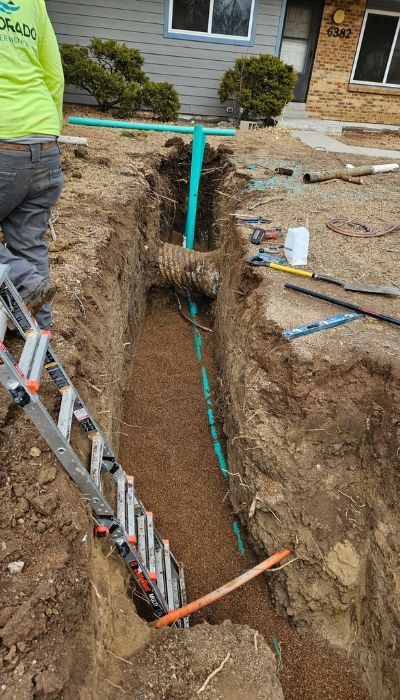
The type of pipe in the ground affects your options too. Cast iron, clay, and Orangeburg each behave differently. Some can be lined; others have to come out completely. Access near driveways, trees, or your foundation changes the equipment needed and what the job costs.


And in Denver, permits aren't optional. Denver Water and the City of Denver both have requirements for work on sewer laterals. Permit fees vary but they're part of your total project cost — any honest contractor will include them in the quote.

Cost Factor Impact on Price
Pipe length Longer - higher labor and material cost
Pipe depth Deeper - more excavation time
Soil type (clay-heavy) Increases dig labor in many Denver neighborhoods
Pipe material Affects which methods are possible
Access difficulty Driveways, trees, and foundations add equipment costs
Permits Denver Water and city ROW permits add to total

Now that you know what drives the price, let's look at how the two main replacement methods stack up on cost.

Trenchless vs. Traditional Sewer Replacement — Which Costs Less?

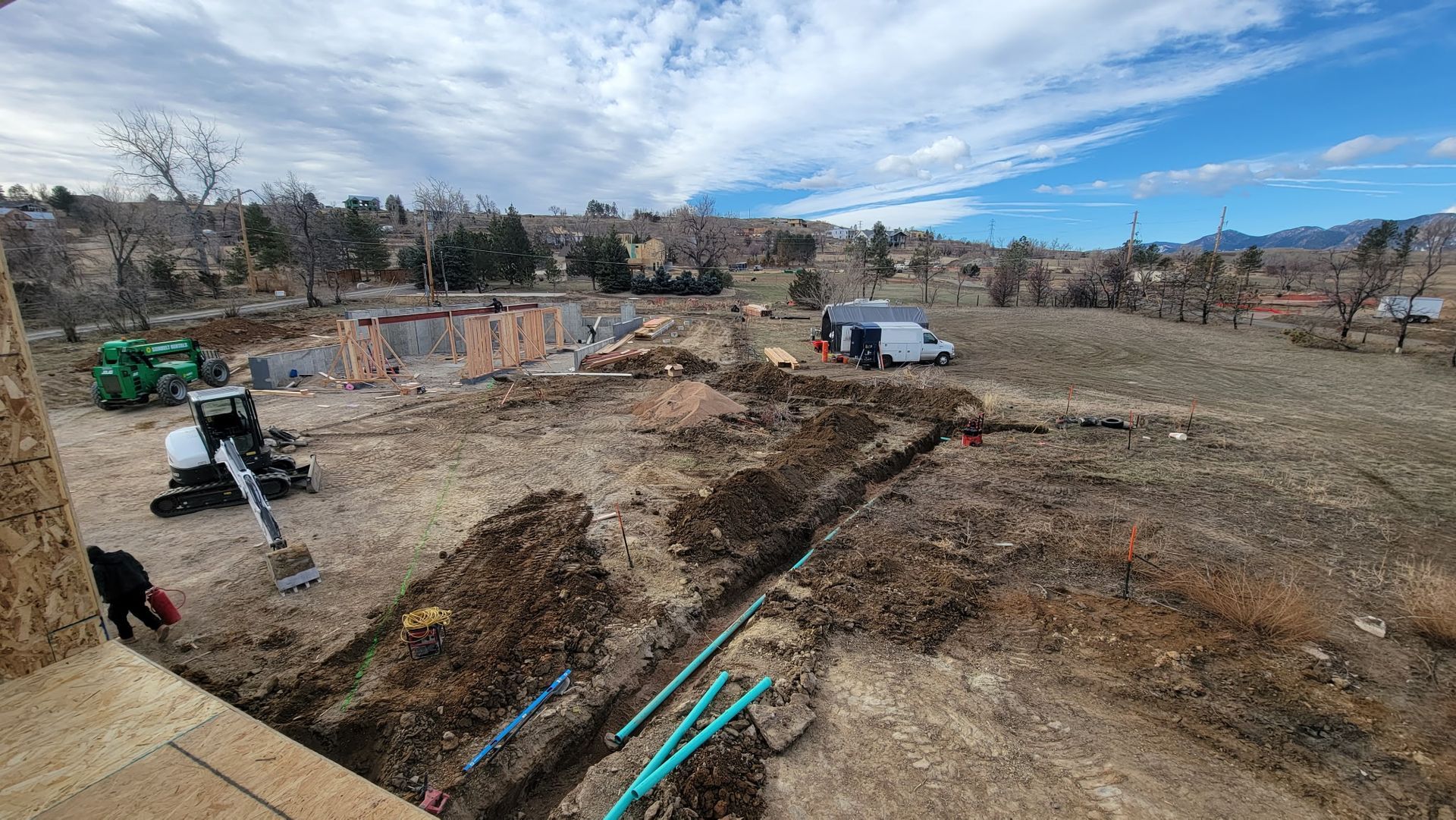
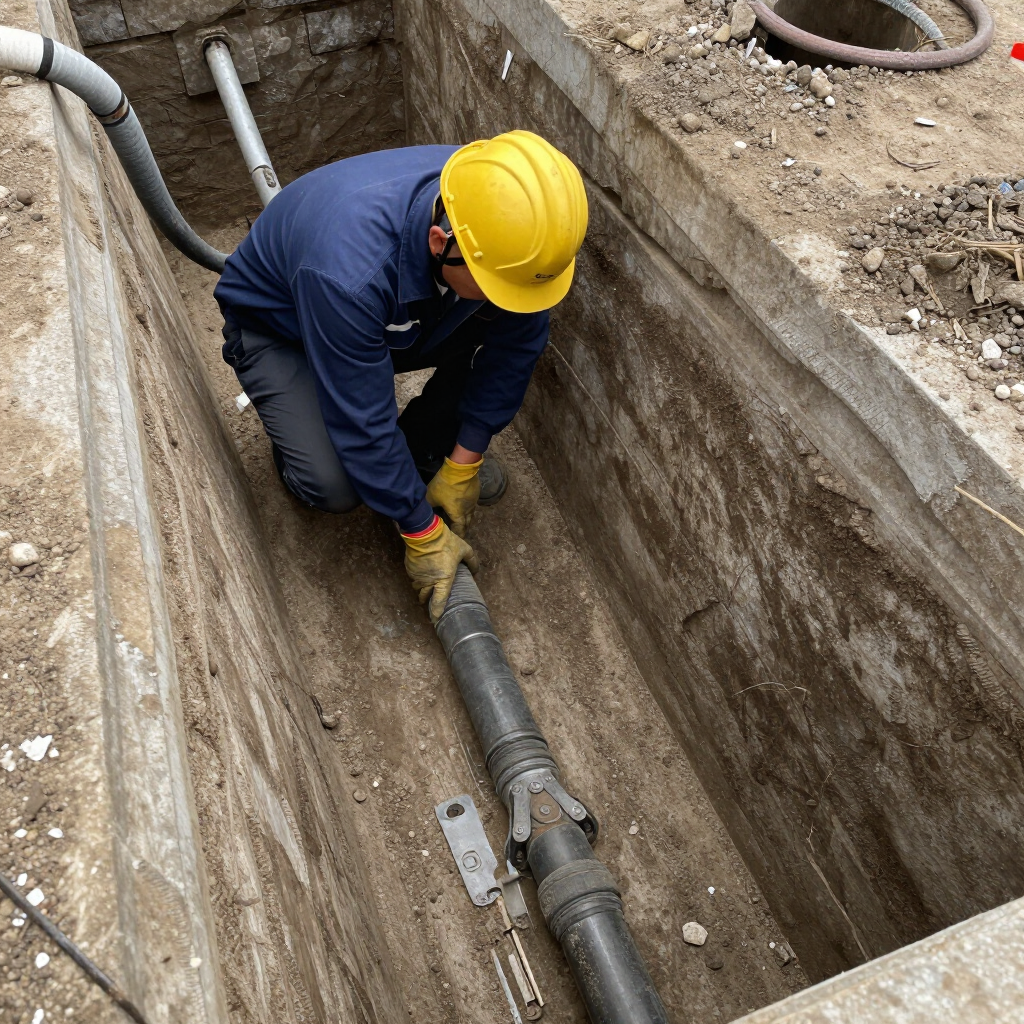
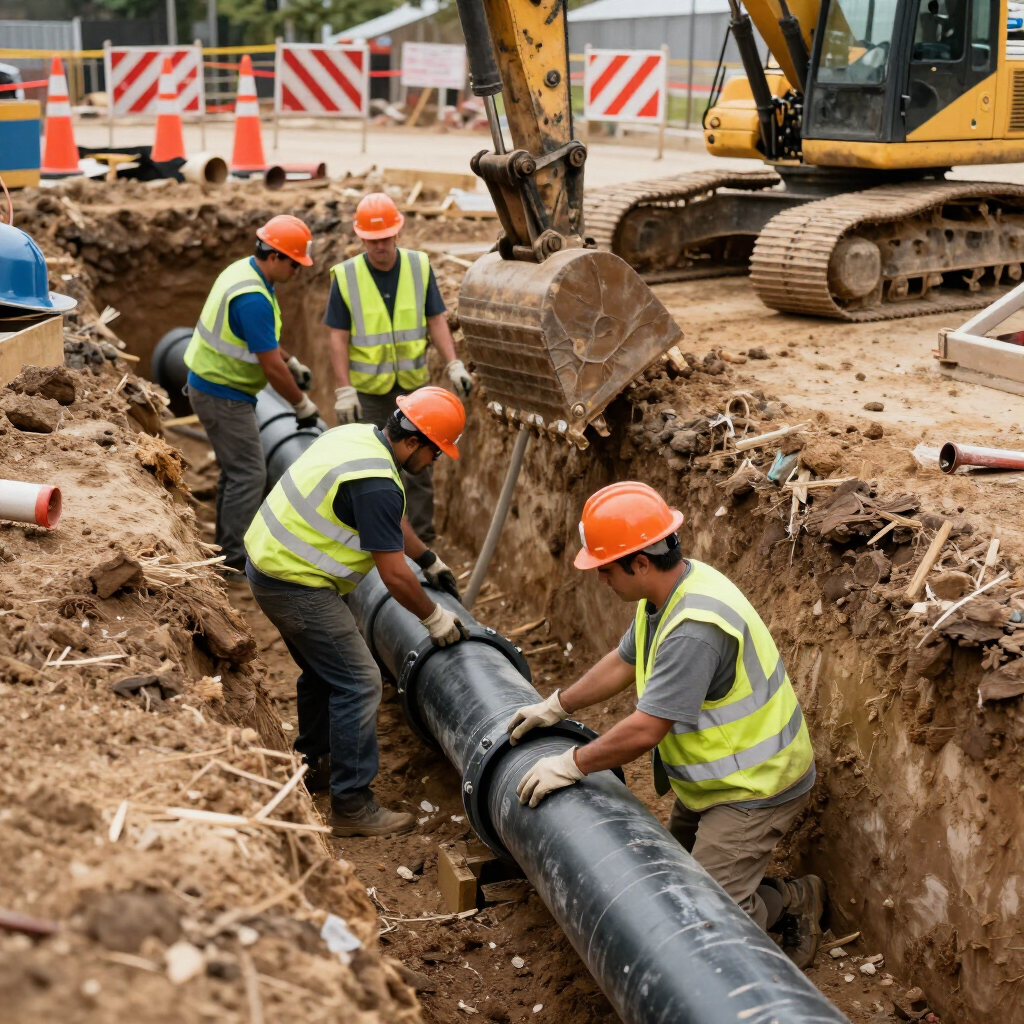
Traditional open-cut replacement has a lower per-foot material cost on paper. But that number doesn't tell the whole story. Once you dig up a driveway or tear through a finished yard, you have to put it back — and that restoration adds $2,000 to $10,000 or more on top of the pipe work itself.


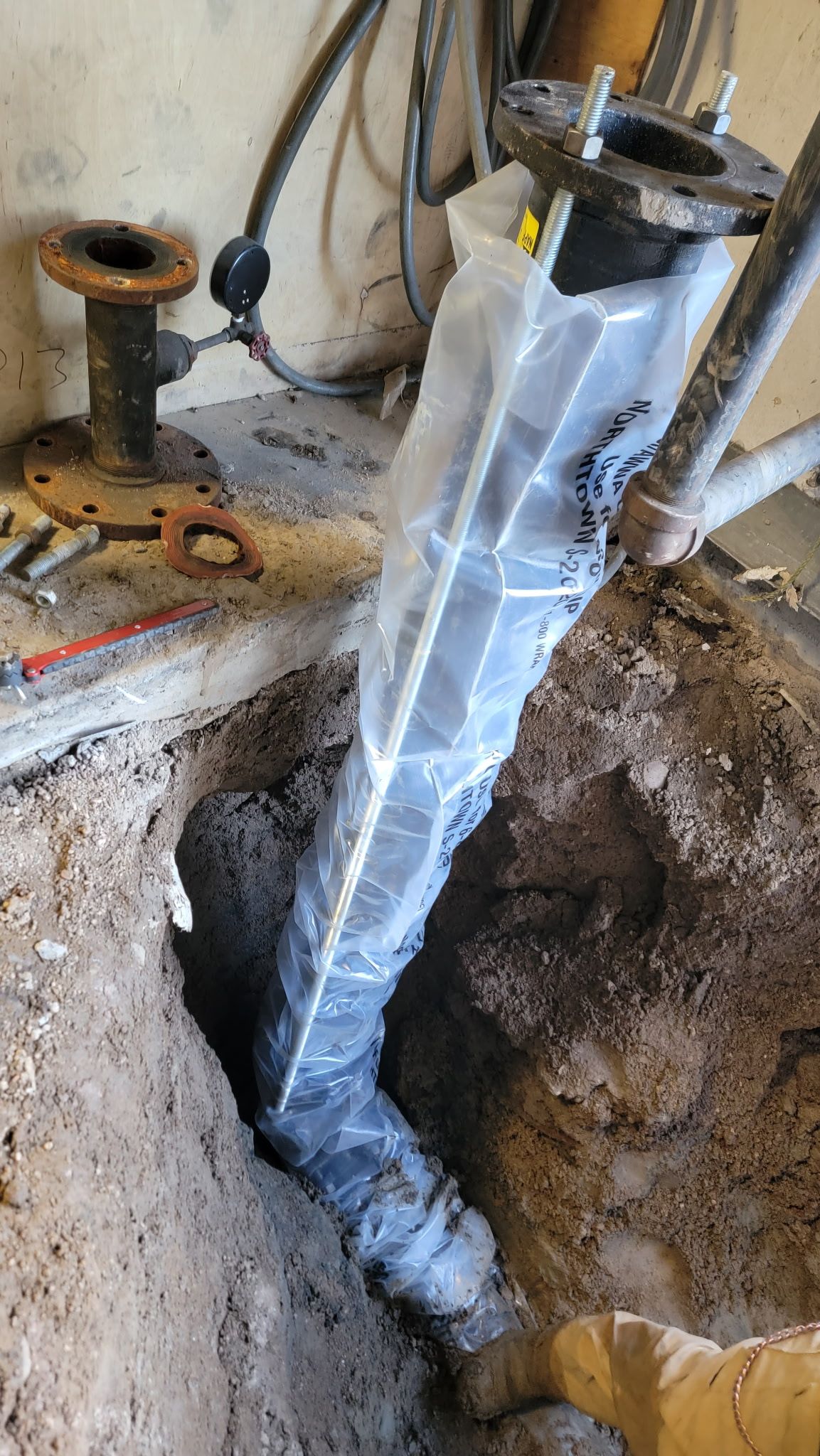
Trenchless methods don't require that. With CIPP lining, we insert a resin-coated liner into the existing pipe and cure it in place. No trench. Your yard stays intact. With pipe bursting, we fracture the old pipe outward and pull a new pipe through the same path. Both methods protect your landscaping and your concrete.


We worked with a homeowner in Englewood who chose open-cut based on a lower bid. The pipe work itself came in under budget. Then the driveway restoration bill arrived — $6,200 to repour the concrete that had to be removed. Trenchless would have cost more per foot but less overall. That's the math most low bids leave out.

Method Avg Cost Range Yard Disruption Timeline Best For
Traditional open-cut $50-$250/ft + restoration High 2-5 days Severely collapsed pipe with no trenchless access
Trenchless CIPP lining $80-$250/ft None 1-2 days Cracked or root-damaged pipe in good shape otherwise
Trenchless pipe bursting $80-$250/ft Minimal 1-2 days Deteriorated pipe needing full replacement

And when you add restoration back into the open-cut total, trenchless is often the same price or less.


Learn more about Denver trenchless sewer line replacement and what the full process looks like.


Beyond method, Denver's own soil, climate, and permit rules can shift your final number — here's what to watch for.

Denver-Specific Cost Factors You Should Know

Denver's frost line sits at roughly 36 inches. That means most sewer lines here are buried deeper than in warmer states — and deeper lines take longer to access. It's one reason costs in Colorado tend to run higher than national averages suggest.


Older Denver neighborhoods carry another challenge. Capitol Hill, the Highlands, and Wash Park are full of homes built before 1970. Many of them still have clay tile or Orangeburg pipe — a compressed fiber material that breaks down over time. These pipes often can't be lined. They have to come out, which means full replacement and higher cost.


Denver Water's policy puts sewer lateral maintenance on the homeowner's side of the connection. If your line runs under city right-of-way, you may need an ROW permit before any work can begin. That's an added step, and sometimes an added cost, that not every contractor tells you about upfront.


Local factors that affect your Denver sewer replacement cost:

  • Frost line depth (~36 inches) requires deeper burial and longer excavation
  • Older neighborhoods often have clay or Orangeburg pipe requiring full replacement
  • Denver Water lateral policy makes the homeowner responsible for the full lateral
  • ROW permits required for work under city right-of-way
  • Terrain and elevation can affect drain slope — some properties need pumps
  • Spring thaw increases demand; scheduling fills up fast after the ground softens


Not sure if you even need replacement yet? These warning signs can help you figure that out before you call anyone.

Warning Signs Your Denver Sewer Line Needs Replacement

Multiple slow drains are the clearest signal. If the problem is in one fixture, you may have a clog. But when several drains throughout the house start backing up, the issue is usually further down the line.


A sewage smell in your yard or basement is another red flag. So is a patch of grass that looks unusually green or lush — that's often a sign the ground above the sewer line is being fed by a slow leak. Frequent blockages that come back even after snaking mean the pipe itself is failing, not just clogged.


Warning signs your Denver sewer line may need replacement:

  • Multiple slow or backed-up drains in different parts of the house
  • Sewage smell in the yard or basement with no obvious source
  • Unusually green or lush grass directly above the sewer line path
  • Blockages that keep coming back after standard drain cleaning
  • Home built before 1970 — likely has clay tile or Orangeburg pipe


One thing we see constantly on Denver calls is multiple backups showing up right after heavy rain. Most homeowners assume it's a coincidence. It usually isn't. That pattern often points to a cracked lateral that's letting groundwater in during rain events. The pipe isn't just clogged — it's compromised. That's the difference between a cleaning job and a replacement conversation.

How to Get an Accurate Sewer Replacement Quote in Denver

Start with a camera inspection. Before any contractor gives you a price, they should run a camera down the line to see exactly what's happening. A quote without an inspection is a guess.


Ask for an itemized breakdown — labor, materials, permits, and restoration listed separately. That's the only way to compare bids fairly. A low number that bundles everything together often leaves restoration out entirely.


So get at least two or three quotes. But don't just pick the lowest one. Ask each contractor whether trenchless is an option and whether they're certified to do it. Not every plumber in Denver has the equipment or training for pipe bursting or CIPP lining.


Verify that whoever you hire holds a Colorado state plumbing license — you can check through the Colorado DORA license lookup — and confirm they'll pull the proper Denver permits. A contractor who skips permits is cutting a corner that can cost you more down the road.


5 Questions to Ask Before Hiring a Denver Sewer Contractor:

  1. Will you run a camera inspection before giving me a final quote?
  2. Can you break out labor, materials, permits, and restoration as separate line items?
  3. Are you certified and equipped for trenchless pipe lining or pipe bursting?
  4. Do you carry a Colorado state plumbing license, and can I verify it?
  5. Will you pull all required Denver Water and city ROW permits?


Get a trenchless sewer line replacement estimate in Denver from Colorado Water Works.

Colorado Water Works
Phone: (720) 320-6981
Serving Englewood and the Denver Metro

Recent Posts

Trenchless Sewer Line Replacement in Denver: How It Works and When It's an Option
July 20, 2026
Find out how trenchless sewer line replacement works in Denver, which damage types qualify, and what to expect from start to finish with Colorado Water Works.

How to Spot a Trustworthy Plumber in Denver: Key Signs of Quality and Professionalism
July 13, 2026
Learn how to spot a trustworthy plumber in Denver CO. Check licenses, verify insurance, read reviews the right way, and avoid costly mistakes
Does Homeowners Insurance Cover Sewer Line Replacement in Denver?
July 13, 2026
Does homeowners insurance cover sewer line replacement in Denver? Learn what standard policies cover, what they don't, and what to do when insurance falls short.

toilet repair denver CO.
July 11, 2026
A toilet that runs all night can waste up to 200 gallons of water per day — and that's before the repair bill arrives. So if you're wondering how much does it cost to fix a toilet in Englewood, CO, you're asking the right question at the right time. Most Englewood homeowners deal with a broken toilet at least once. The problem is usually simple. But without a price range, it's hard to know if you're getting a fair deal or getting taken.  This guide covers real 2026 plumber pricing for toilet repairs in Englewood, CO — from a basic flapper swap to a full replacement. We'll walk through the most common problems, what drives costs up or down, when DIY makes sense, and how to pick a plumber you can trust. We're Colorado Water Works, and we're licensed and insured to serve Englewood and the greater Denver metro. We've handled enough toilet calls here to know what fair pricing looks like.
How to Repair a Sewer Line Without Digging: Trenchless Options for Denver Homes
July 10, 2026
Learn how trenchless sewer repair works in Denver CO. Colorado Water Works covers pipe lining, pipe bursting, costs, and how to find a licensed contractor.

DIY vs Licensed Denver Plumber | Colorado Water Works
July 7, 2026
Find out when DIY plumbing saves money in Denver and when hiring a licensed plumber is the smarter call. Colorado Water Works explains permits, costs, and risks.
How to Tell If Your Sewer Line Needs to Be Replaced: Key Warning Signs for Denver Homeowners
July 7, 2026
Learn the warning signs your sewer line needs replacing. Colorado Water Works helps Denver homeowners spot sewer problems early and avoid costly damage
How to Choose the Right Plumber in Englewood, CO: A Step-by-Step Guide
July 7, 2026
Learn how to choose the right plumber in Englewood, CO. Verify licensing, check reviews, get written estimates, and avoid costly red flags before you book.
Licensed plumber in Denver performing Trenchless Sewer Line Repair.
July 7, 2026
Learn what trenchless sewer repair costs in Denver, how long it takes, and what questions to ask before you hire. Colorado Waterworks covers every step.
What Is the Average Plumber Call-Out Fee in Englewood, CO?
July 6, 2026
Find out what plumber call-out fees cost in Englewood, CO — standard rates, emergency pricing, and what to ask before you book a local plumber in the Denver area.
Show More