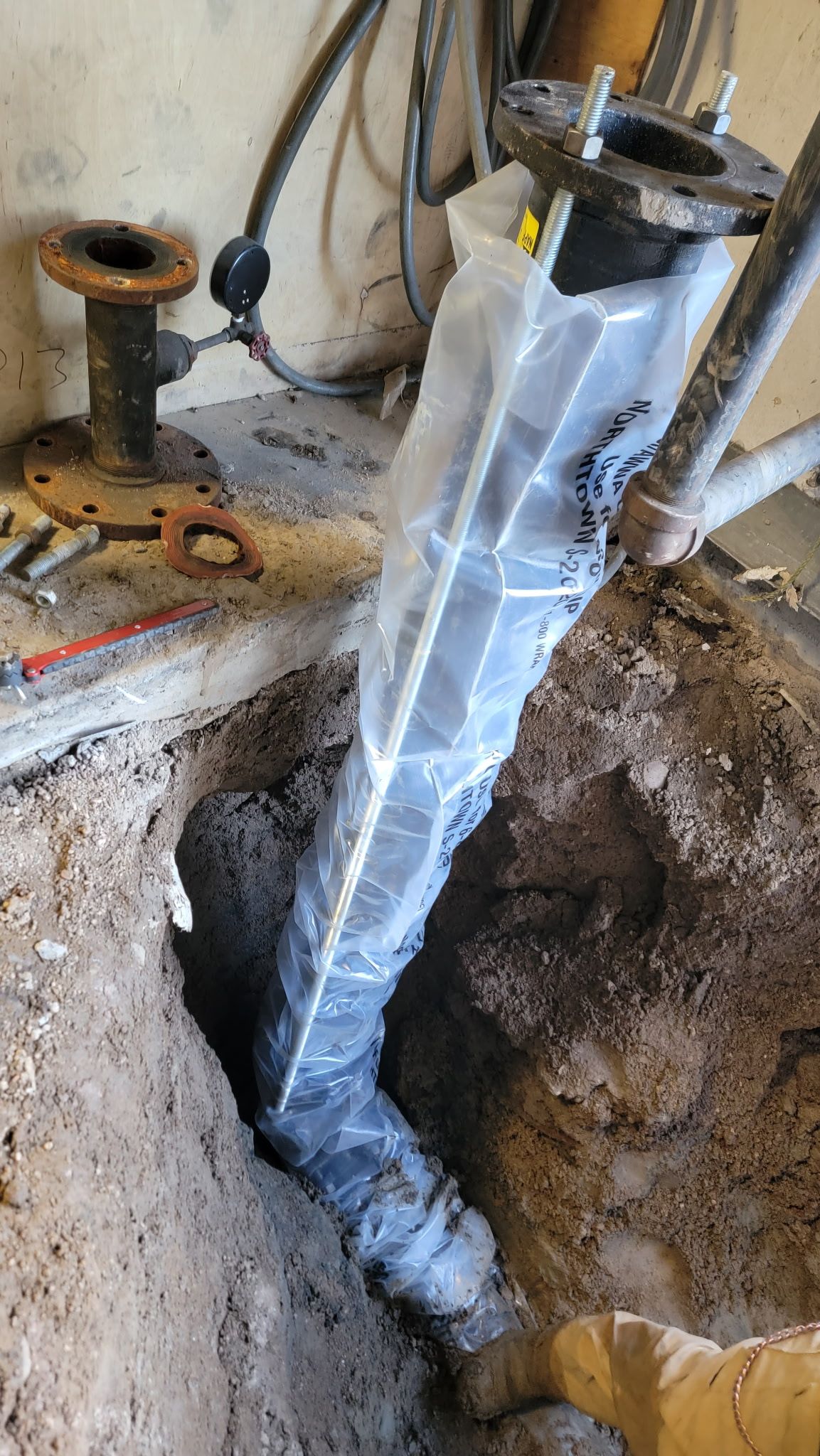
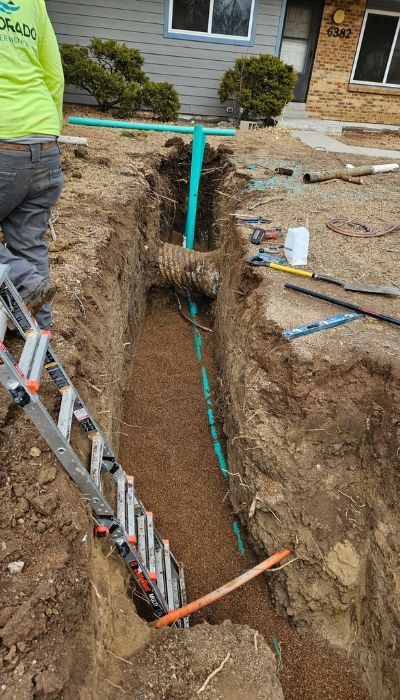
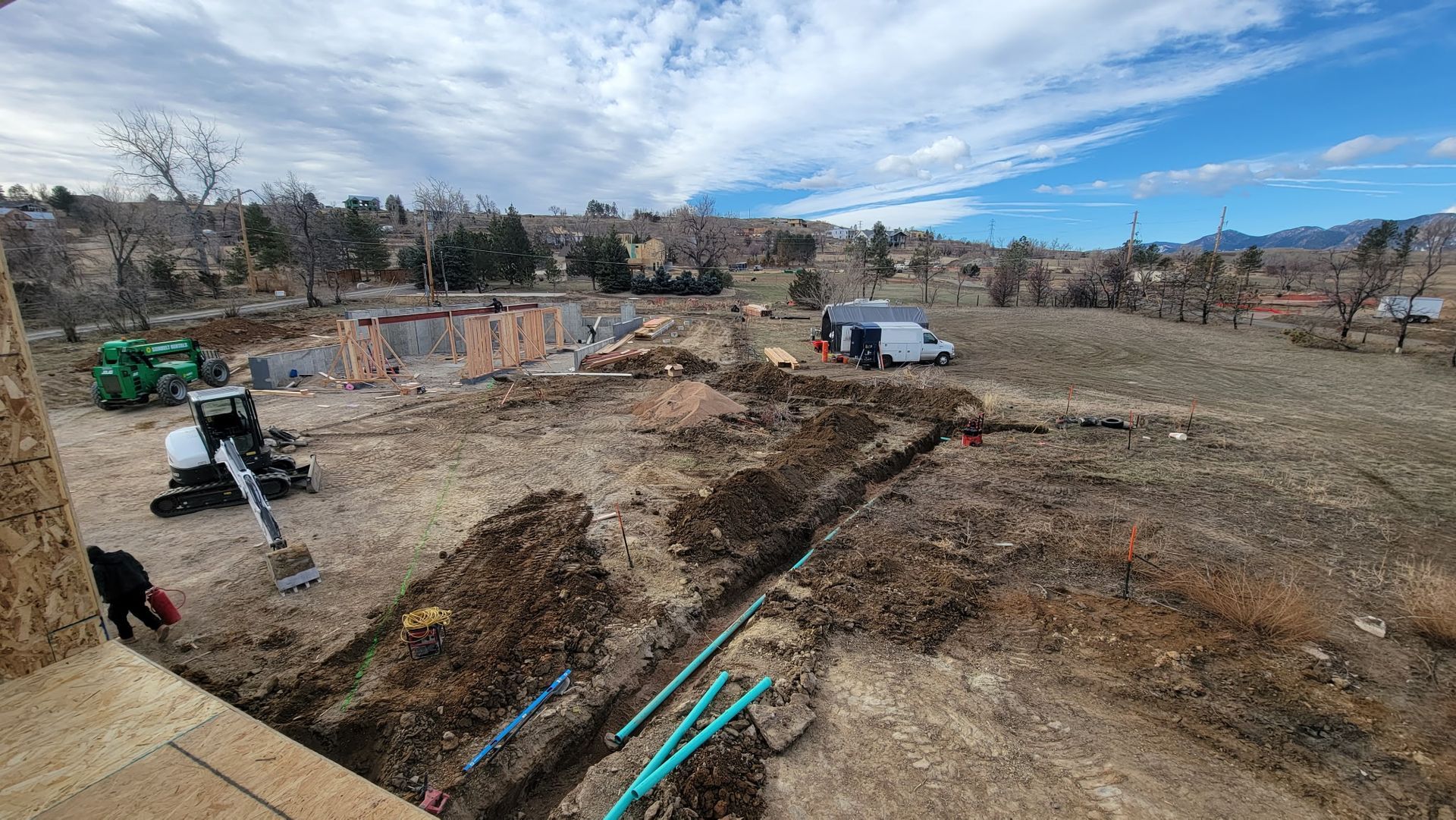
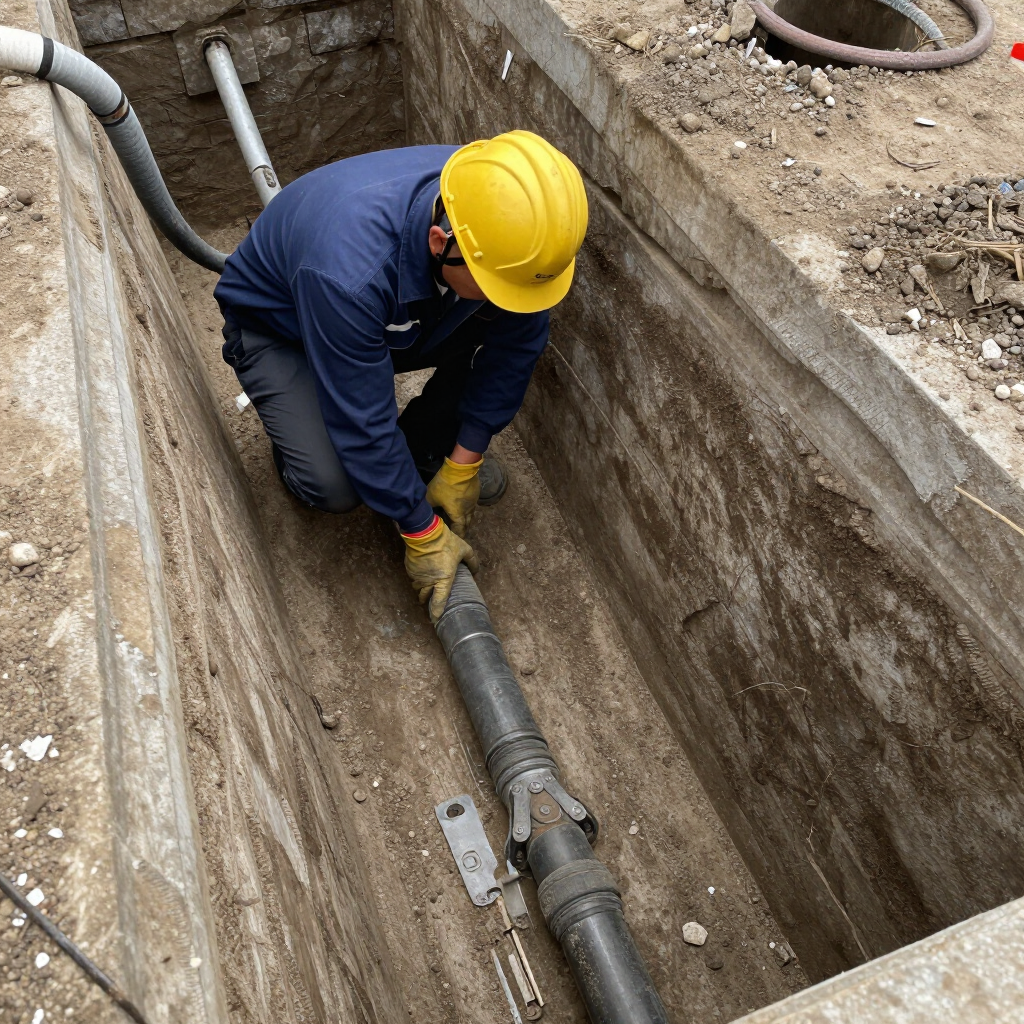
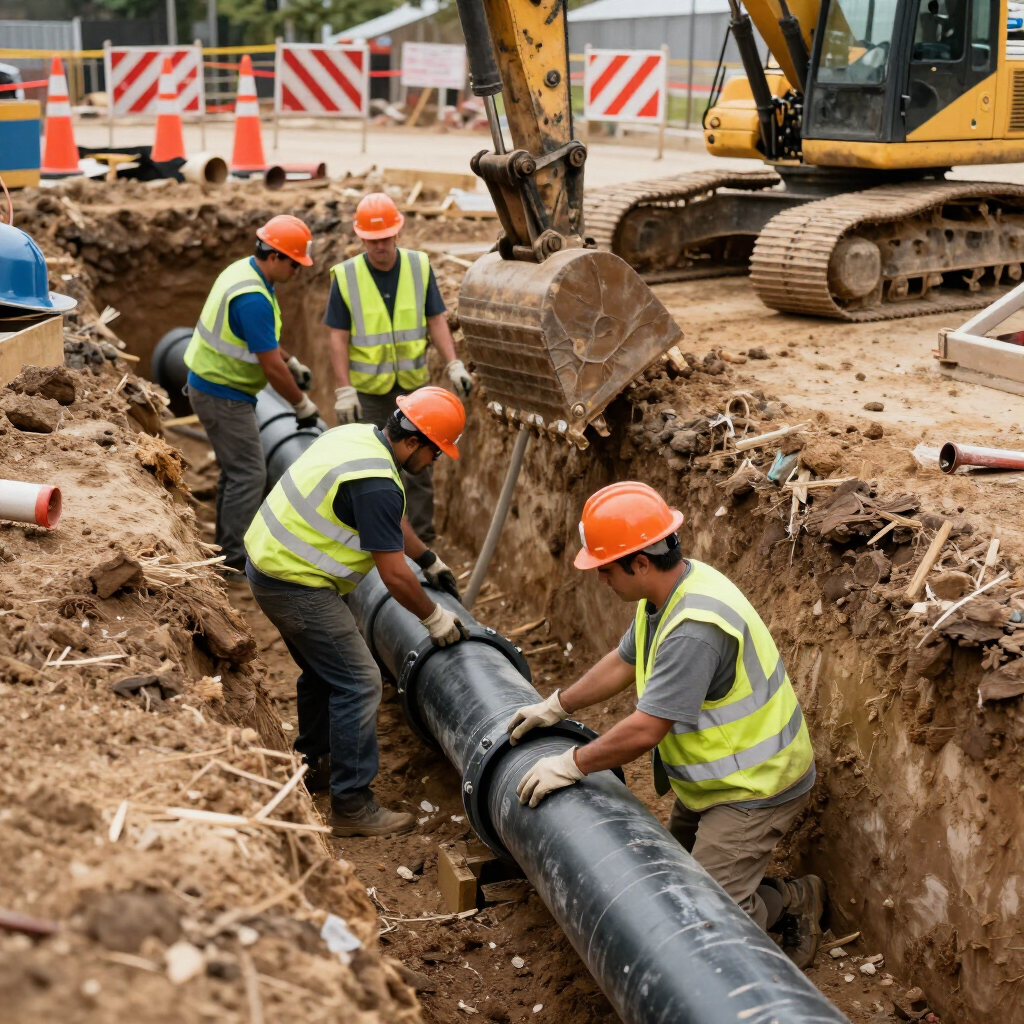
A CIPP sewer liner in Denver offers a modern way to restore underground pipes without disruptive excavation. CIPP stands for cured in place pipe, a trenchless sewer liner method that repairs existing pipelines from the inside. This technology allows property owners to address pipe damage efficiently while preserving landscaping, driveways, and structures. As cities grow and infrastructure ages, CIPP pipe lining has become an increasingly practical solution.
Understanding how trenchless sewer liner technology works helps homeowners and property managers make informed decisions. Instead of removing old pipes, CIPP sewer liner repair in Denver strengthens them internally, extending lifespan and improving flow.
Understanding CIPP Sewer Liner Technology
CIPP technology is based on reinforcing pipes from the inside rather than replacing them.
What Is CIPP Pipe Lining
CIPP pipe lining uses a flexible liner coated with resin that is inserted into an existing pipe. Once positioned, the liner is cured to form a hard, seamless pipe within the original structure. This process restores structural integrity while maintaining the original pipe alignment.
Why CIPP Is Considered Trenchless
CIPP is classified as trenchless because it requires minimal access points rather than open trench excavation. This approach limits surface disruption and allows work to be completed efficiently. Trenchless sewer liner methods support faster project timelines and cleaner job sites.
Why CIPP Sewer Liner Solutions Are Used in Denver
Urban and suburban environments benefit from trenchless solutions.
Adapting to Urban Infrastructure
Denver properties often feature mature landscaping, paved surfaces, and limited access areas. CIPP sewer liner repair adapts well to these conditions because it avoids extensive digging. This makes it suitable for residential and commercial settings.
Supporting Long-Term Pipe Performance
CIPP liners create a smooth internal surface that improves water flow. The cured liner resists corrosion and supports long-term durability. This performance benefit makes CIPP pipe lining a preferred solution.
The Trenchless Sewer Liner Process Explained
Understanding each step clarifies how the technology works.
Inspection and Pipe Preparation
The process begins with a camera inspection to assess pipe condition. Cleaning removes debris and buildup to prepare the pipe for lining. Proper preparation ensures strong liner bonding.
Liner Installation and Curing
The resin-saturated liner is inserted into the pipe and expanded to fit tightly. Curing then hardens the liner using heat or ambient methods. Once cured, the liner forms a new pipe structure inside the old one.
Benefits of Cured In Place Pipe Solutions
CIPP offers practical advantages over traditional repair methods.
Minimal Surface Impact
Because excavation is limited, surfaces such as lawns and pavements remain intact. This reduces restoration work and preserves property appearance. Minimal disruption improves overall convenience.
Efficient Project Completion
CIPP sewer liner repair often requires less time than traditional pipe replacement. Faster completion reduces inconvenience for occupants. This efficiency supports practical planning.
Applications of CIPP Sewer Liner Repair
CIPP technology supports a wide range of pipe systems.
Residential Sewer Line Repairs
Homes benefit from CIPP because access points are usually limited. The process restores sewer lines beneath foundations or landscaping without disturbance. This makes it suitable for residential properties.
Commercial and Municipal Uses
Commercial buildings and public infrastructure use CIPP pipe lining to maintain service continuity. The method supports high-usage pipelines and long-term performance.
Materials Used in CIPP Pipe Lining
Material quality plays a key role in results.
Resin Types Used in CIPP
Different resins are selected based on pipe conditions and usage. These resins cure into a durable and seamless structure. Proper selection supports long-term reliability.
Liner Strength and Flexibility
The liner is flexible during installation and rigid once cured. This flexibility allows it to adapt to pipe bends and shapes. After curing, it provides strong structural support.
Lifespan and Durability of CIPP Sewer Liners
Longevity is a major consideration for property owners.
Expected Service Life
CIPP sewer liners are designed to last for decades under normal conditions. Their resistance to corrosion supports long-term use. This durability offers strong value.
Performance Over Time
The smooth internal surface reduces buildup and supports consistent flow. This helps maintain performance year after year. Regular inspections help ensure continued efficiency.
Comparing CIPP to Traditional Pipe Repair
Understanding differences helps clarify value.
Traditional Excavation Versus Trenchless Repair
Traditional repairs require digging and pipe removal. CIPP avoids extensive excavation by reinforcing existing pipes. This difference supports efficiency and convenience.
Maintenance Considerations
CIPP liners require minimal ongoing maintenance. Their seamless design reduces leak potential. This simplifies long-term care.
Environmental and Community Benefits
CIPP supports sustainable infrastructure practices.
Reduced Environmental Impact
Less excavation means reduced soil disturbance and material waste. This supports environmentally conscious repair methods. Communities benefit from cleaner projects.
Supporting Urban Planning Goals
Trenchless sewer liner solutions align with modern urban planning. They maintain infrastructure with minimal disruption. This supports long-term city development.
Choosing CIPP Sewer Liner Solutions in Denver
Understanding suitability supports informed decisions.
Evaluating Pipe Conditions
Not all pipes require full replacement. CIPP works best when pipes retain basic structural alignment. Inspection determines suitability.
Working With Experienced Providers
Experienced providers ensure proper assessment and installation. Expertise supports reliable outcomes. This improves overall confidence in the solution.
Conclusion
CIPP sewer liner technology provides a practical and efficient way to restore underground pipes without excavation. Through cured in place pipe methods, trenchless sewer liner solutions strengthen existing pipelines while preserving surrounding surfaces. For properties in Denver, CIPP pipe lining supports long-term performance, efficient repair, and modern infrastructure maintenance. Contact Colorado Water Works today to schedule a CIPP sewer liner consultation.
Frequently Asked Questions