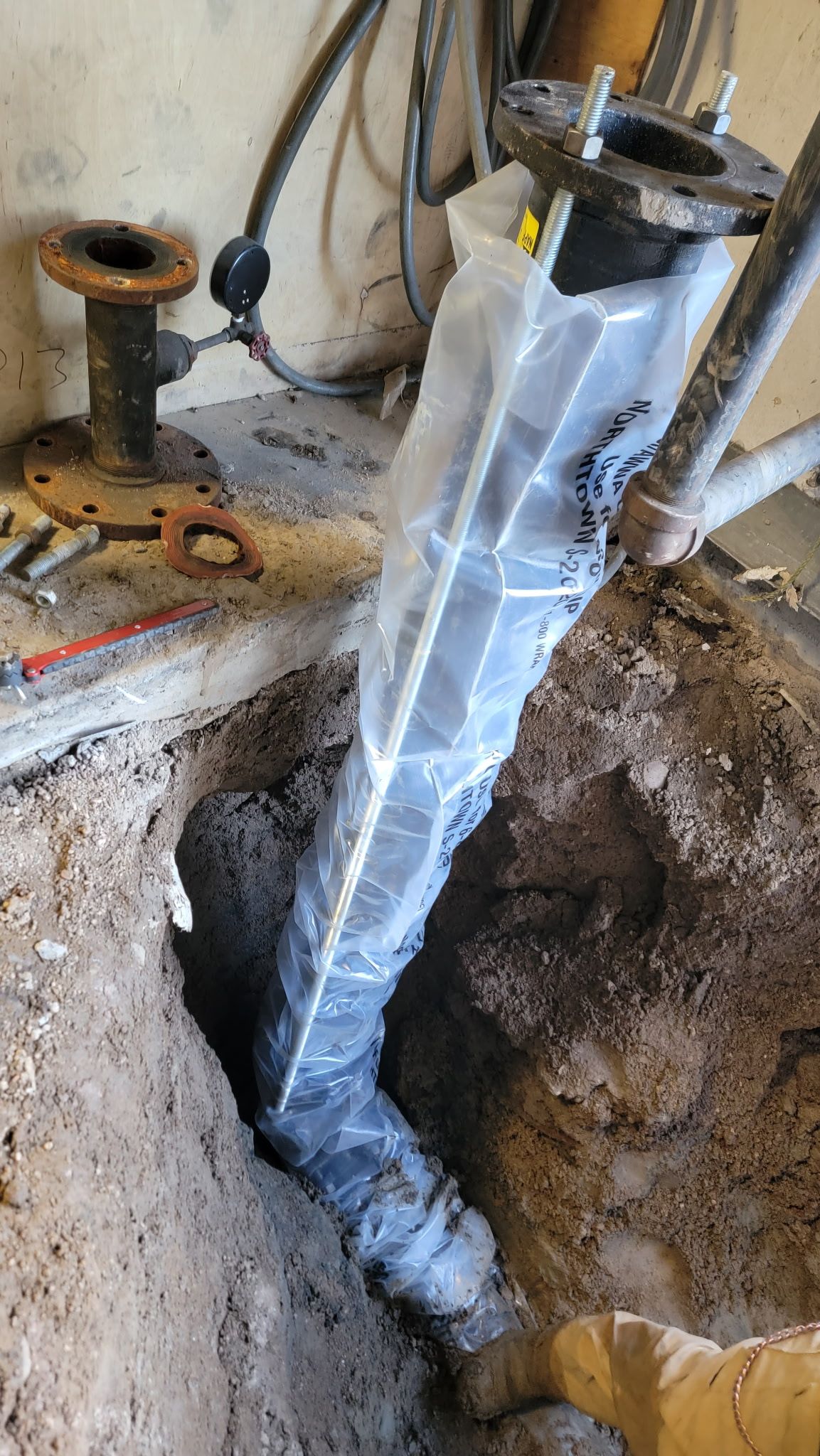
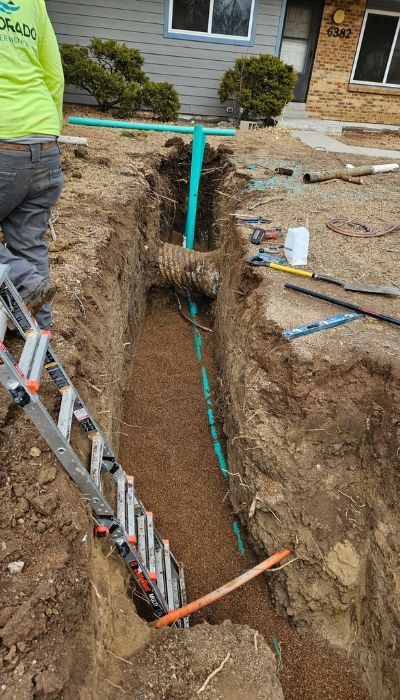
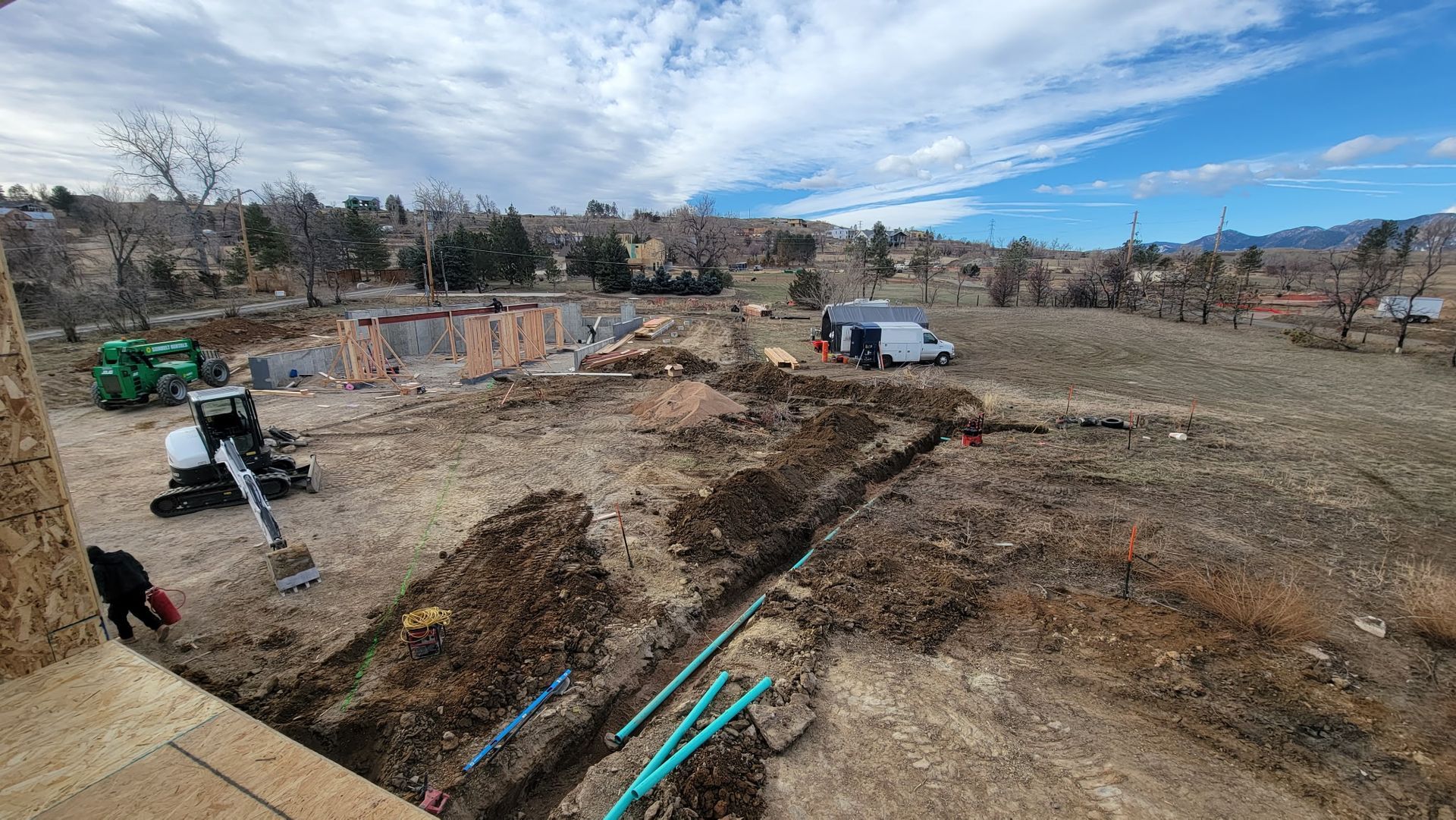
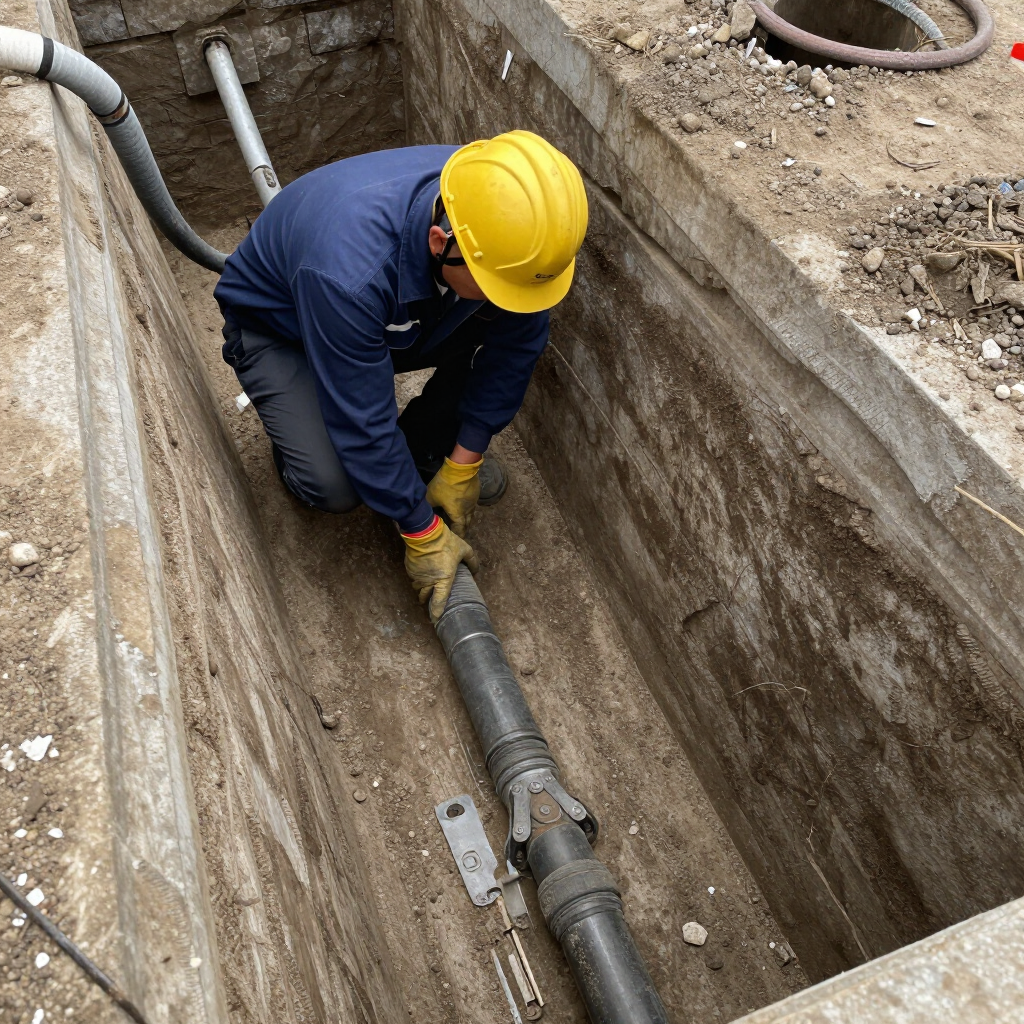
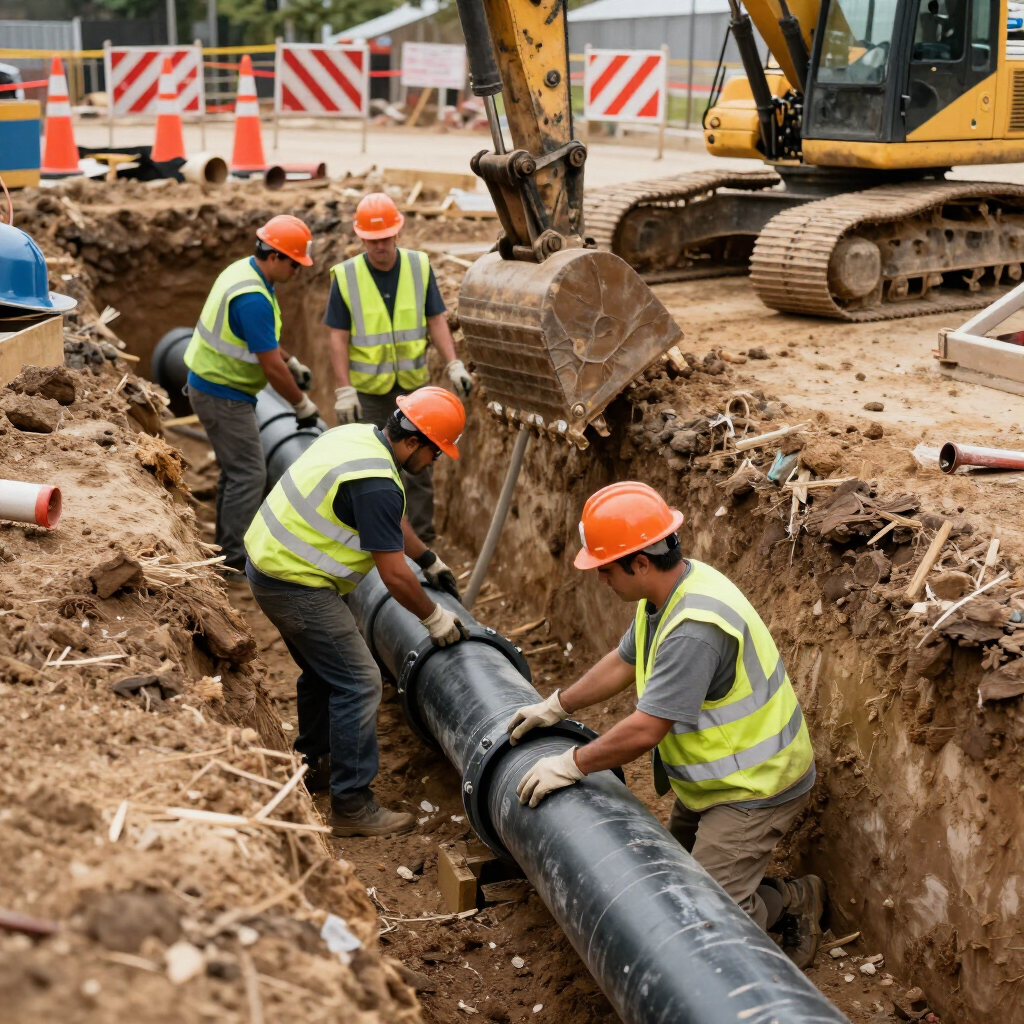
CIPP, which stands for cured in place pipe, is designed to extend the life of existing sewer systems by reinforcing them from the inside. Rather than replacing pipes, this method creates a durable internal structure that supports long-term performance.
Understanding sewer liner lifespan helps homeowners, property managers, and municipalities plan maintenance and investment with confidence. CIPP durability depends on materials, installation quality, and usage conditions, making education an important part of the decision process.
Understanding Sewer Liner Lifespan
CIPP sewer liners in Denver are engineered for long-term performance and structural reliability.
What Sewer Liner Lifespan Represents
Sewer liner lifespan refers to the period during which the cured liner maintains its strength, shape, and ability to support wastewater flow. Once cured, the liner becomes a rigid, seamless pipe that functions independently from the original pipe. This internal pipe structure supports consistent performance for many years.
General Lifespan Expectations
Under normal operating conditions, CIPP sewer liners are expected to last several decades. Their resistance to corrosion, joint failure, and material breakdown supports long-term use. This makes trenchless pipe lining a practical option for long-term planning.
Factors That Influence How Long a CIPP Sewer Liner Lasts
Several elements work together to determine long-term performance.
Installation Quality and Preparation
Proper cleaning, inspection, and curing are essential to liner performance. When the liner bonds evenly to the pipe walls, it forms a strong and consistent structure. Skilled installation directly supports long-term durability.
Condition of the Existing Pipe
CIPP liners perform best when the original pipe maintains overall alignment and shape. Pipes that meet these conditions allow the liner to cure evenly and support long-term stability. Pre-installation inspections help confirm suitability.
CIPP Durability and Material Strength
Material selection plays a central role in longevity.
Resin Technology Used in CIPP
CIPP systems use specialized resins selected for strength, flexibility, and resistance to moisture and chemicals. These resins harden during curing and form a durable internal surface. Proper resin selection supports long-lasting performance.
Structural Performance After Curing
Once cured, the liner becomes a rigid structure capable of handling normal flow and pressure. It reinforces weakened areas and supports everyday use. This structural strength helps extend sewer system life.
Trenchless Pipe Lining Performance Over Time
Consistent performance is one of the main advantages of CIPP.
Resistance to Environmental Factors
CIPP liners resist corrosion, root intrusion, and chemical exposure that often affect traditional pipes. This resistance helps maintain structural integrity over time. Reduced exposure to damage supports longer lifespan.
Flow Efficiency and Surface Smoothness
The smooth interior surface of a CIPP liner improves flow efficiency. Reduced friction helps limit buildup inside the pipe. This contributes to consistent performance and easier maintenance.
Maintenance and Care of CIPP Sewer Liners
Basic care helps support long-term results.
Importance of Periodic Inspections
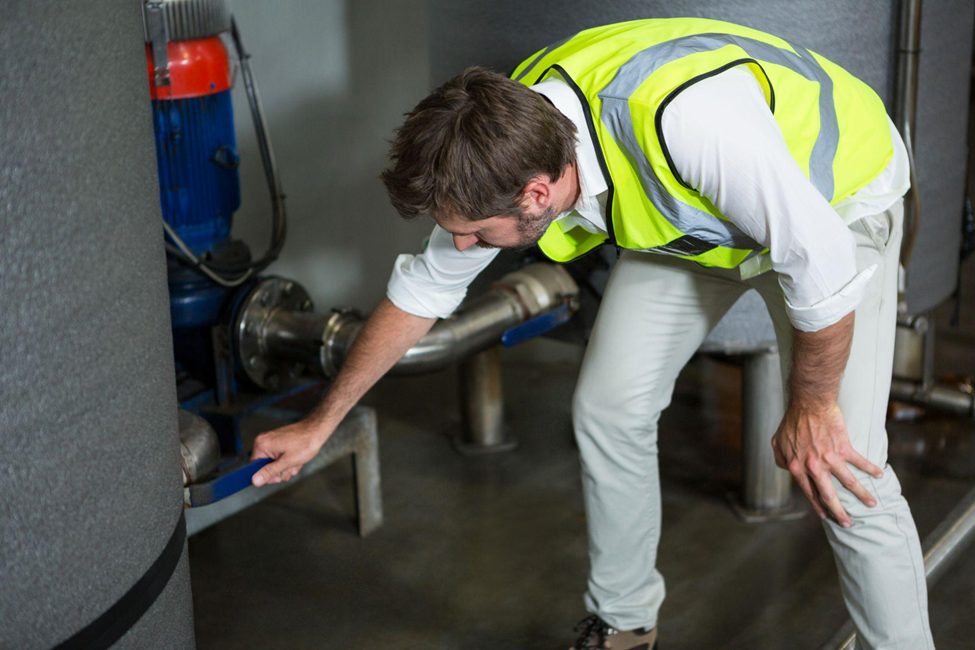
Occasional inspections help confirm liner condition and performance. Visual inspections provide reassurance and support proactive care. Monitoring helps ensure continued reliability.
Everyday Use and Best Practices
Normal household or commercial use aligns well with CIPP performance. Responsible usage supports liner integrity. Following recommended practices helps maintain condition.
Comparing CIPP Lifespan With Traditional Pipe Repair
Comparing options clarifies long-term value.
Traditional Repair Methods and Longevity
Traditional pipe replacement involves excavation and exposure to environmental factors. These pipes may require future maintenance depending on materials. CIPP offers an alternative approach focused on reinforcement rather than replacement.
Long-Term Benefits of Trenchless Pipe Lining
CIPP combines durability with minimal surface disruption. Its extended lifespan and reduced restoration needs support long-term efficiency. This balance makes it a practical plumbing solution for many properties.
Warranties and Service Life Expectations
Warranties provide added assurance.
Typical Warranty Coverage for CIPP Liners
Many CIPP installations include warranties covering materials and workmanship. Coverage terms vary depending on provider and liner system. Warranties reflect confidence in long-term performance.
Understanding Warranty Timeframes
Warranty duration may differ based on application and materials used. Understanding these details helps set realistic expectations. This supports informed decision-making.
Applications That Benefit From Long-Lasting CIPP Liners
Longevity supports a wide range of applications.
Residential Sewer Line Applications
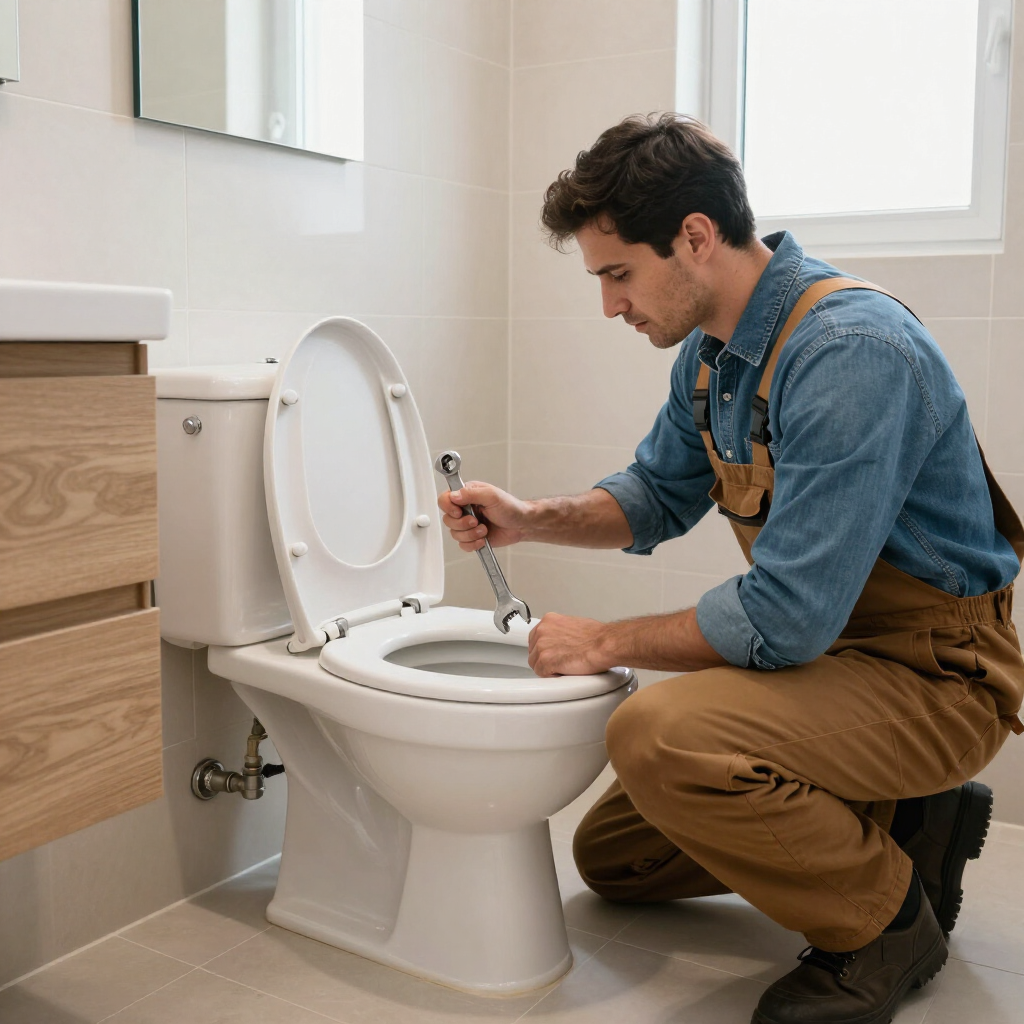
Homes benefit from CIPP because of limited access and long-term reliability. Extended liner lifespan reduces future disruption. This aligns well with residential needs.
Commercial and Municipal Infrastructure
High-use systems benefit from durable solutions. CIPP supports consistent service in commercial and municipal pipelines. Long lifespan aligns with infrastructure planning goals.
Indicators of Strong CIPP Sewer Liner Performance
Performance signs help build confidence.
Consistent Drainage and Flow
Smooth drainage and stable flow indicate effective liner performance. These signs reflect proper installation and curing. Consistency supports long-term reliability.
Stable Inspection Results Over Time
Inspections that show consistent liner condition confirm durability. Ongoing stability reflects quality materials and installation. This reassures property owners.
Making Informed Decisions About CIPP Longevity
Understanding expectations supports smart planning.
Evaluating Long-Term Infrastructure Goals
Considering future use and maintenance helps assess whether CIPP fits long-term needs. The technology supports extended planning. This aligns with property management goals.
Importance of Experienced Installation Providers
Experienced providers ensure accurate assessment and proper installation. Expertise supports reliable outcomes. This improves long-term satisfaction.
Conclusion
CIPP sewer liners are designed to deliver reliable, long-term performance, often lasting several decades when properly installed and maintained. Sewer liner lifespan is influenced by material quality, installation standards, and pipe condition, but CIPP durability consistently supports trenchless pipe lining as a dependable solution. For property owners seeking longevity, efficiency, and minimal disruption, CIPP provides a strong and lasting approach to sewer system restoration. Reach out to Colorado Water Works today to schedule your CIPP sewer liner inspection or service.
Frequently Asked Questions