
Average Cost to Replace a Sewer Line in Englewood: What to Expect
A cracked or collapsed sewer line rarely announces itself with a bang. It usually shows up first as a slow drain or a soggy patch in the yard. If you're searching for sewer line replacement in Englewood, you probably already suspect something's wrong underground. This guide breaks down real Sewer Line Replacement Englewood costs, what pushes the price up or down, and how to tell when repair won't cut it anymore.
We've held Colorado Master Plumber License #0004643 for years, and Englewood homeowners call us when they want a straight answer instead of a sales pitch. So we won't hand you one flat number and call it a day. Below, you'll find typical cost ranges and the biggest factors that move your quote. We'll also cover warning signs and how clay soil, older pipe, and freeze-thaw cycles shape your project locally.
How Much Does It Cost to Replace a Sewer Line in Englewood, CO?
Most Englewood homeowners pay somewhere between a modest spot repair and a full-line replacement, depending on the scope of the job. Three things move that number the most:
- Length and depth of the line that needs replacing
- Method used — trenchless repair often costs less than open-trench digging
- Permits and access — tight yards, driveways, or hardscape add time and cost
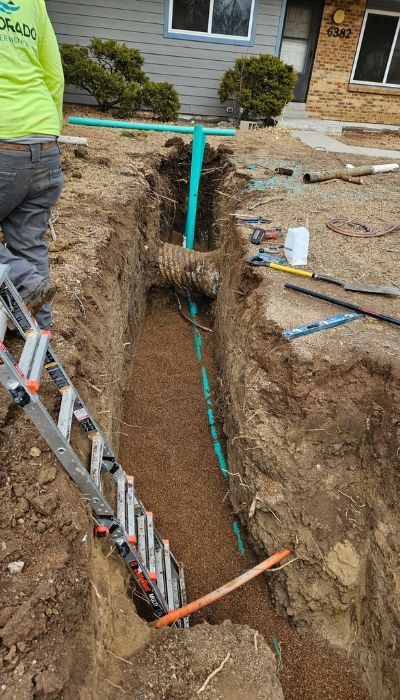
Englewood's clay soil and older cast iron or clay pipe can also affect price, since older materials sometimes need more work to replace safely. Still, the only way to get a real number is a camera inspection and an on-site quote. For an accurate, no-surprise quote, talk to our Englewood plumbing team today.
How Much Does Sewer Line Replacement Cost in Englewood?
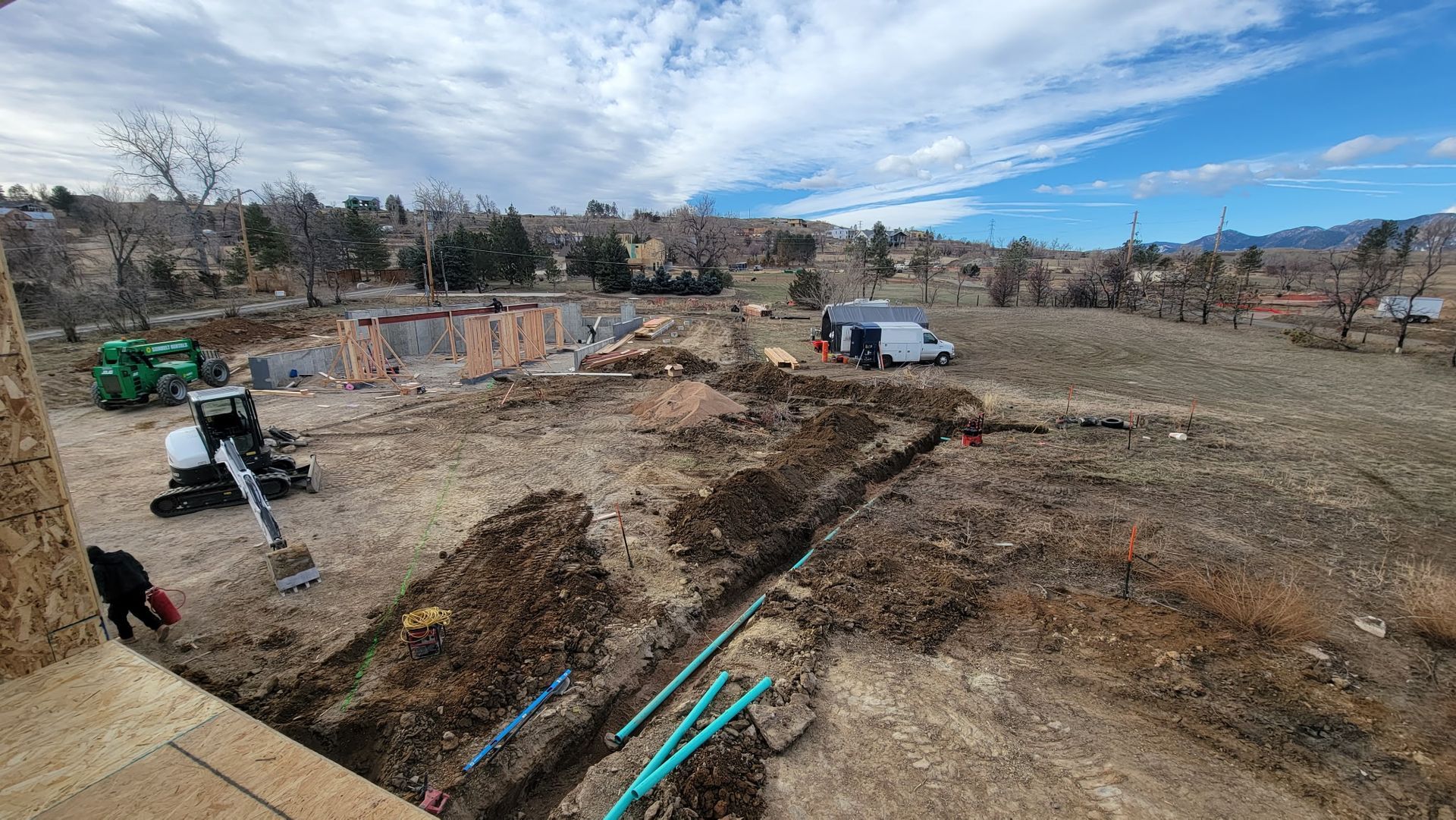
Sewer line replacement costs get quoted two ways. One is a price per linear foot. The other is one flat number for the whole job. Per-foot pricing depends on depth, pipe material, and how hard the ground is to reach.
Trenchless methods, like pipe bursting or CIPP lining, often narrow that range because they skip most of the digging. National cost guides give a rough starting point. Englewood quotes often run higher or lower, depending on local soil, permitting, and the age of your home's plumbing.
| Cost Factor | How It Affects Price |
|---|---|
| Pipe length & depth | Longer or deeper lines take more labor and materials |
| Replacement method | Trenchless can lower digging and restoration costs |
| Permits & access | Tight lots or hardscape removal add time |
| Pipe material found | Older clay or cast iron sometimes needs extra work |
A phone quote can only get you so far. Only a camera inspection and a technician standing in your yard can give you a firm number.
What Drives the Price Up or Down
Every sewer line quote comes down to a handful of factors. Once you know what they are, a quote stops feeling like a mystery.
- Length and depth of the line — longer, deeper runs need more time and material
- Pipe material — clay, cast iron, and old Orangeburg pipe behave differently, and some need full replacement instead of a patch
- Access difficulty — mature landscaping, driveways, or patios over the line add labor to remove and restore
- Method — trenchless pipe bursting or CIPP lining usually costs less in restoration than open-trench digging, though not every job qualifies for trenchless work
- Permits and inspections — local permit and inspection fees are part of nearly every replacement project.
Ask your plumber to walk through each of these line by line before you sign anything. A fair quote should explain, not just state, the number.
Signs You May Need a Sewer Line Replacement (Not Just a Repair)
Not every sewer problem means replacement. Some signs, though, point straight to a line that's past saving.
- Backups that keep coming back, even after snaking or clearing
- A soggy or unusually green patch of yard, especially in dry weather
- Slow drains throughout the whole house, not just one sink or tub
- A sewer smell indoors or outdoors that won't go away
- A cracked, collapsed, or bellied pipe confirmed by camera inspection
If you're only seeing one of these, a repair might solve it. If you're seeing two or three together, replacement is usually the safer call.
Not sure if it's a repair or replacement? Our plumber in Englewood, CO can inspect and advise.
Why Englewood Homes Are Prone to Sewer Line Issues
Cost isn't the only Denver-metro factor at play. Local soil and climate conditions matter too.
Englewood sits on expansive clay soil, and that soil moves. It swells when wet and shrinks when dry. That constant shift puts stress on pipe joints below ground.
Front Range freeze-thaw cycles add another layer of stress, especially on shallow lines near the surface. Older parts of Englewood still have clay or cast iron pipe from decades ago. It wasn't built for today's water use.
Local risk factors include:
- Expansive clay soil that shifts with moisture
- Freeze-thaw cycles stressing shallow or aging lines
- Older clay or cast iron pipe common in established neighborhoods
- Mature trees with roots that seek out pipe joints and cracks
One thing we see constantly on Englewood calls: an old maple or cottonwood in the front yard. Its roots work into the sewer line long before anyone notices a backup. By the time water's backing up into the tub, the roots have usually had years to grow.
Trenchless vs. Traditional Replacement: Which Costs Less?
With causes and costs covered, here's how the two main replacement methods stack up.
Trenchless methods — pipe bursting and CIPP lining — usually cost less overall than traditional open-trench replacement. Most of the savings come from what you don't have to fix afterward. No torn-up lawn, no broken driveway, no rebuilt patio.
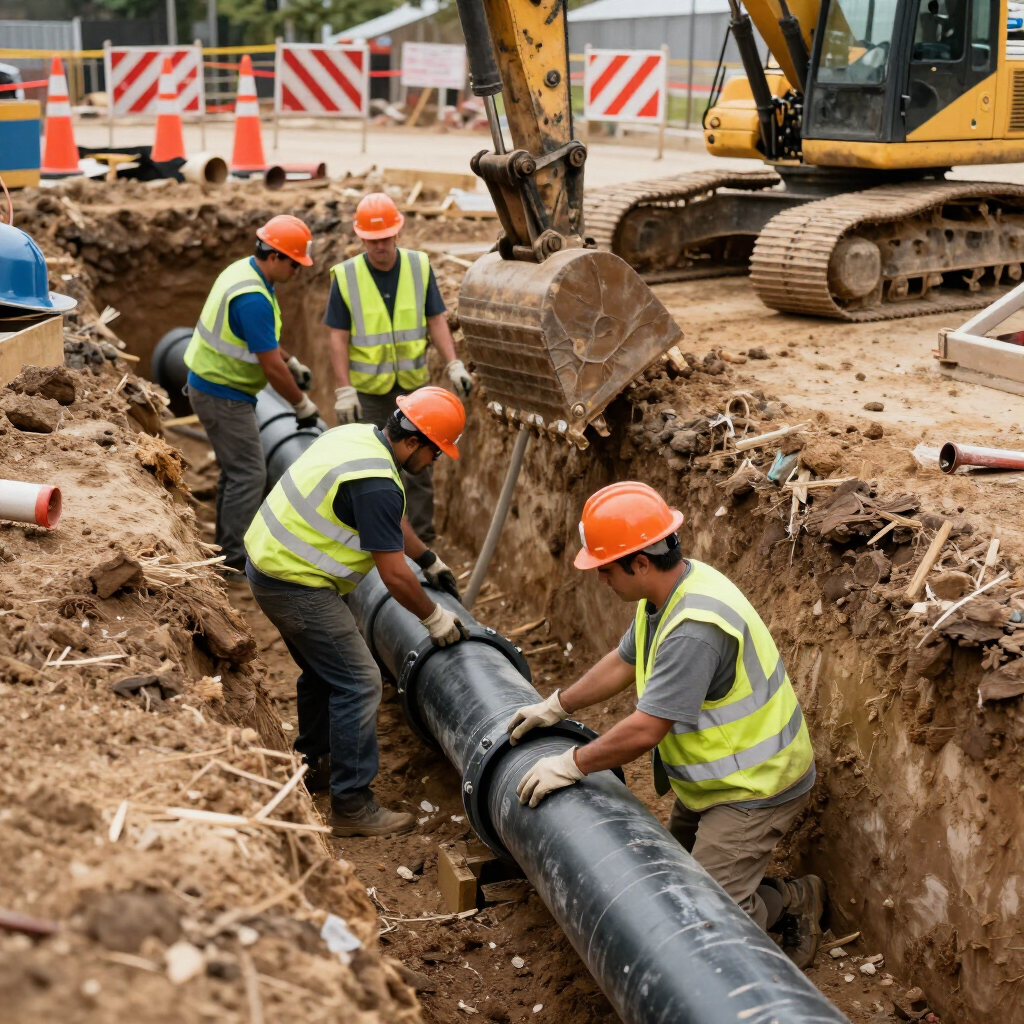
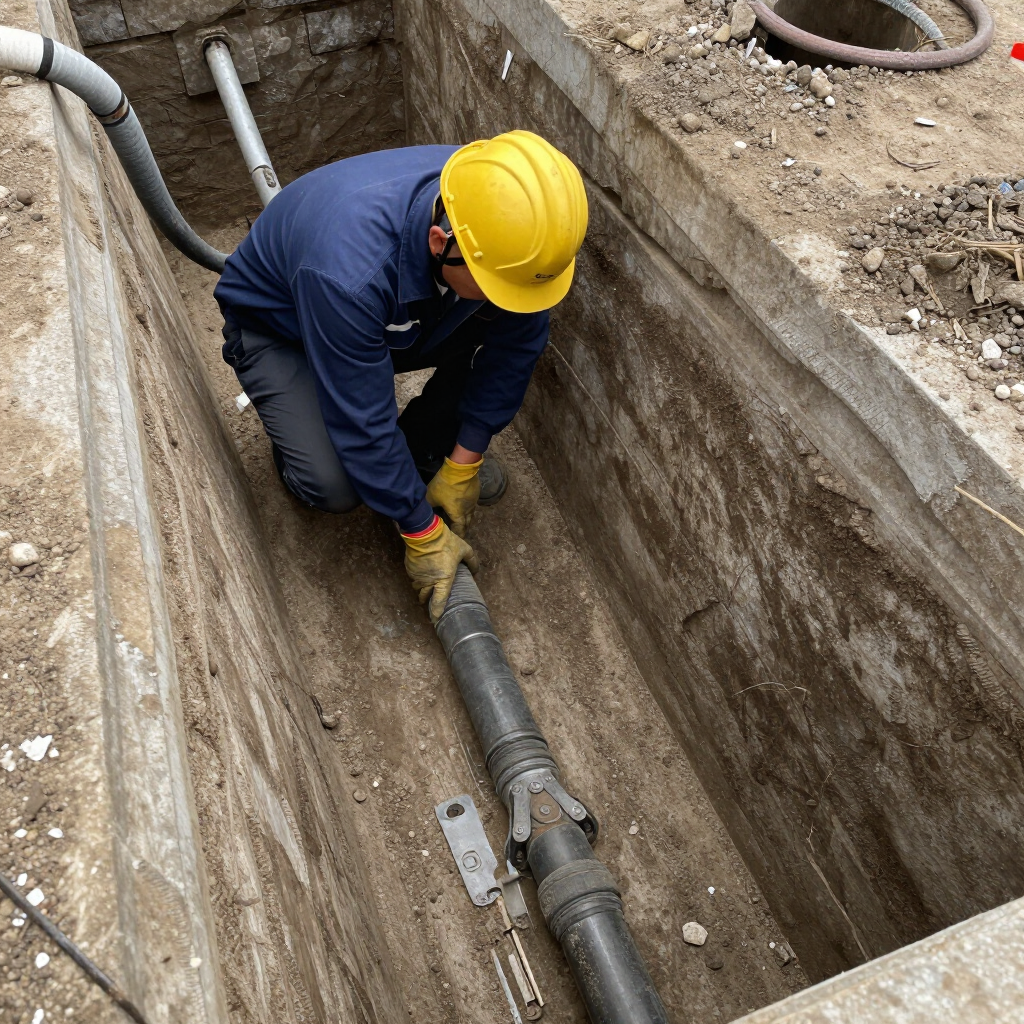
Traditional open-trench work is still sometimes the better call. Severe pipe collapse or a badly shifted line usually needs an open trench to fix right.
| Trenchless | Traditional | |
|---|---|---|
| Landscaping impact | Minimal | Major |
| Driveway/hardscape removal | Rarely needed | Often required |
| Best for | Cracks, root intrusion, most standard replacements | Severe collapse, major misalignment |
| Typical timeline | Often faster | Usually longer |
What homeowners don't realize is that not every yard qualifies for trenchless work. Access, pipe condition, and how the old line sits all factor into which method makes sense. A good plumber will tell you which one fits before running numbers.
Permitting requirements can differ slightly between the two methods. Arapahoe County and the City of Englewood sometimes review trenchless projects differently than open-trench work.
What to Expect When You Hire a Licensed Englewood Plumber
Once you decide to move forward, the process is straightforward.
- Camera inspection — we run a camera through the line to confirm the exact problem and location before recommending a fix
- Licensing check — Colorado plumbers are licensed through DORA, and that license means the work meets state code
- Permits pulled for you — your plumbing company should handle permit paperwork with the City of Englewood or Arapahoe County, not leave it to you
- Clear timeline — most standard replacements take one to a few days, depending on method and access; trenchless jobs often finish faster than open-trench ones
- Final walkthrough — your plumber should test the system and walk you through the work before calling the job done
Most of the time when this happens in Englewood, the whole process moves faster than homeowners expect. Inspection, quote, and scheduled work usually wrap up quickly. What feels like a big project on paper is often done within a week.
Ready to move forward? Contact our licensed Englewood CO plumber team for a full inspection and quote.
Colorado Water Works
Phone: (720) 320-6981
Serving Englewood and the Denver Metro
Recent Posts