CIPP pipe strength improvement is a highly advanced method used to restore aging and
damaged pipelines while enhancing both structural integrity and hydraulic performance. This trenchless technology creates a durable inner lining that strengthens existing pipes and promotes smoother pipe flow, which is essential for maintaining efficient wastewater systems. As infrastructure continues to age, this method provides a reliable approach to achieving long-term sewer efficiency improvement without the disruption of excavation.
CIPP is widely used across residential, commercial, and municipal systems because it combines engineering precision with practical efficiency. It not only repairs visible damage but also reinforces the entire pipe structure, ensuring consistent performance over time.
Understanding CIPP Sewer Lining Technology
CIPP sewer liner in Denver has become a preferred solution because it offers both structural reinforcement and performance optimization in a single process.
How the CIPP Process Works
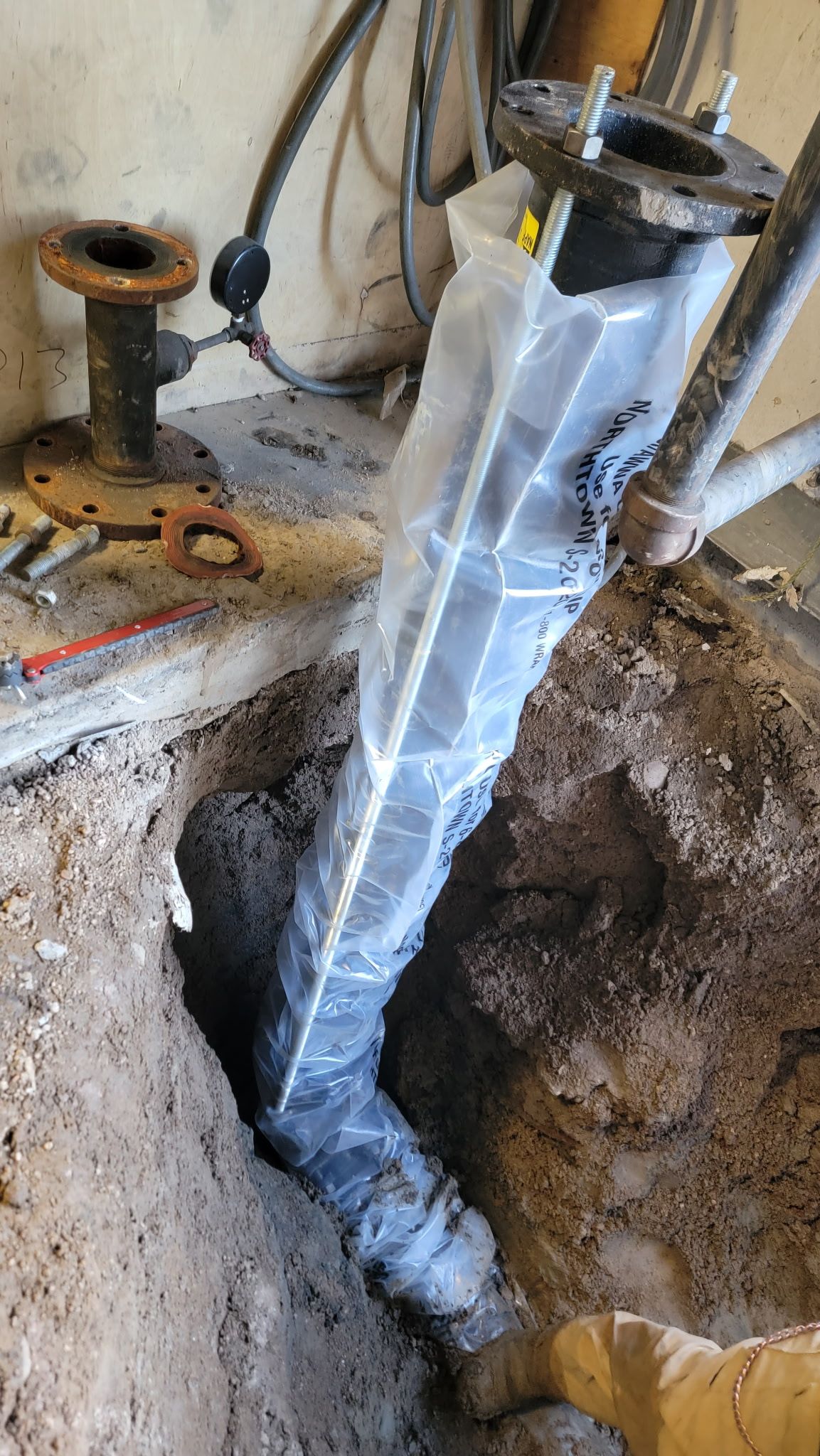
Cured-In-Place Pipe lining involves inserting a resin-saturated liner into an existing pipeline. The liner is expanded using air or water pressure and then cured with heat or UV light to form a rigid internal pipe. This creates a seamless structure that bonds to the original pipe and seals cracks, joints, and gaps while delivering strong pipe rehabilitation benefits.
The process typically includes cleaning and inspection using advanced camera systems. These steps ensure proper preparation and help identify any structural issues before installation, improving the success rate of the lining.
Material Composition and Engineering Strength
CIPP liners are made from high-performance materials such as fiberglass and polyester felt combined with specialized resin systems. These materials are designed to withstand chemical exposure, pressure variations, and temperature changes. As a result, they form corrosion resistant pipes that maintain durability even in harsh conditions.
The cured liner also offers high tensile strength and flexibility. This combination allows it to support structural loads while adapting to minor ground movement, reducing the risk of future damage.
Structural Benefits of CIPP Pipe Strength Improvement
CIPP plays a crucial role in strengthening pipelines and extending their service life.
Internal Structural Reinforcement
The cured liner acts as a self-supporting pipe within the original structure. This provides significant CIPP pipe strength improvement and enables the pipeline to handle external forces such as soil pressure and traffic loads. It also reduces stress on the original pipe, helping prevent further deterioration.
Crack and Leak Prevention
The seamless design eliminates joints and weak points that are prone to failure. This reduces the risk of cracks and leaks while improving system reliability. It also prevents groundwater infiltration, which can lead to additional structural issues.
Root Resistant Lining
Tree roots are a common cause of pipe damage, but CIPP provides a durable root resistant lining that blocks root intrusion. This ensures uninterrupted flow and reduces the need for ongoing maintenance.
Hydraulic Performance and Flow Efficiency
CIPP not only improves strength but also enhances the overall efficiency of sewer systems.
Smoother Pipe Flow
The inner surface created during the CIPP process is smooth and uniform. This promotes smoother pipe flow by reducing friction and turbulence, allowing wastewater to move more efficiently through the system. Improved flow conditions often offset the slight reduction in pipe diameter, resulting in equal or improved performance.
Reduced Debris Accumulation
By eliminating rough surfaces and damaged sections, CIPP reduces debris buildup inside pipes. This leads to fewer blockages and supports long-term sewer efficiency improvement.
Enhanced Hydraulic Capacity
The improved internal conditions allow pipelines to handle higher volumes of wastewater more effectively. This is particularly beneficial in systems with high demand or aging infrastructure.
Additional Technical Performance Insights
CIPP offers several advanced benefits that contribute to its effectiveness.
Load-Bearing Capabilities
The structural strength of the cured liner allows it to support external loads independently. This is especially important in areas with heavy traffic or unstable soil conditions.
Resistance to Chemical Exposure
Sewer systems often carry chemicals that can damage traditional pipes. CIPP materials create corrosion resistant pipes that withstand these conditions and maintain performance over time.
Thermal Stability
CIPP liners are designed to handle temperature fluctuations without losing strength or flexibility. This makes them suitable for various environmental conditions.
Factors Influencing CIPP Performance
Several factors determine the success and longevity of CIPP installations.
Pipe Condition and Preparation
Proper cleaning and inspection are essential before installation. These steps ensure that the liner bonds correctly and performs effectively.
Installation Quality
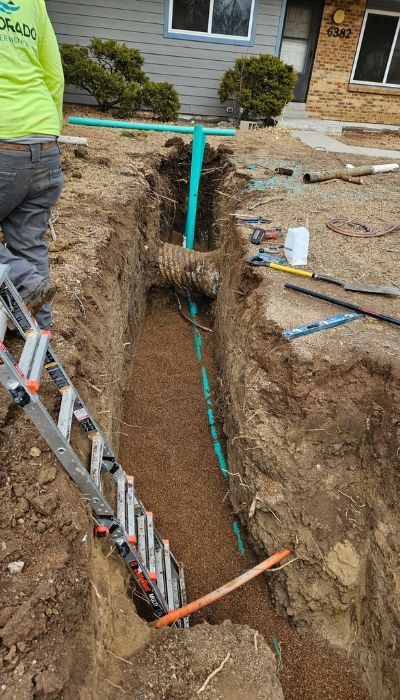
Professional sewer installation plays a critical role in achieving optimal results. Correct curing and placement directly impact durability and system performance.
Environmental Conditions
Temperature, moisture, and soil conditions can affect the curing process. Careful planning helps ensure consistent results.
Common Challenges and How CIPP Addresses Them
CIPP is designed to solve many common issues found in sewer systems.
Aging and Corroded Pipes
Older pipes often suffer from corrosion and structural weakness. CIPP creates corrosion resistant pipes that restore strength and extend lifespan.
Root Intrusion Problems
Tree roots can cause blockages and damage, but CIPP provides a strong root resistant lining that prevents intrusion.
Poor Flow Performance
Inefficient systems often experience slow drainage and frequent clogs. CIPP improves internal conditions, leading to better sewer efficiency improvement.
Applications of CIPP Technology
CIPP is a versatile solution that can be applied across different sectors.
Residential Applications
Homeowners benefit from improved durability, reduced maintenance, and minimal disruption during repairs.
Commercial and Industrial Use
Businesses rely on CIPP for efficient repairs that maintain operations and reduce downtime.
Municipal Infrastructure
Cities use CIPP to rehabilitate sewer networks without disrupting traffic or public services.
Long-Term Value and Reliability
CIPP provides long-term benefits that make it a smart investment.
Extended Service Life
CIPP systems are designed to last for decades, reducing the need for future repairs and replacements.
Consistent Performance
The combination of strength and smooth flow ensures reliable operation over time.
Cost Efficiency
Reduced maintenance and extended lifespan make CIPP a cost-effective solution.
Conclusion
CIPP pipe strength improvement offers a comprehensive solution for enhancing both the structural integrity and flow efficiency of sewer systems. With benefits such as smoother pipe flow, corrosion resistant pipes, and durable root resistant lining, this technology delivers reliable sewer efficiency improvement and long-term value. It remains a technically advanced and sustainable choice for modern pipe rehabilitation. Reach out to Colorado Water Works for durable, cost-effective CIPP sewer lining solutions you can trust.
Frequently Asked Questions