For property managers and facility managers in Denver, effective commercial plumbing maintenance is crucial. Commercial properties have complex plumbing systems that support multiple tenants, high water usage, and compliance with local building codes. Regular preventative plumbing checks, timely drain cleaning, and proper management of fixtures can prevent costly repairs, avoid code violations, and extend the life of plumbing infrastructure. In this guide, we outline best practices for
commercial plumbing maintenance in Denver, covering everything from fixture lifecycles to tenant coordination and backflow prevention.
Why Commercial Plumbing Maintenance Matters
Commercial plumbing systems face more stress than residential systems due to higher water usage, larger pipe networks, and varied tenant demands. Without a structured maintenance plan, small issues such as clogged drains or leaking fixtures can escalate into significant water damage, code violations, or business disruption.
Impact on Property Value and Operations
Neglected plumbing affects the overall value of a property. Leaks, slow drains, or malfunctioning fixtures can disrupt tenant operations, create safety hazards, and reduce tenant satisfaction. Regular maintenance ensures systems function efficiently, supports long-term property value, and minimizes emergency repair costs.
Preventing Emergencies
Proactive maintenance reduces the risk of emergencies, including burst pipes, backflow incidents, or sewer backups. Early detection and repair prevent costly downtime, water damage, and potential liability.
Core Components of Commercial Plumbing Maintenance
A successful maintenance program addresses all aspects of a plumbing system, from pipes and drains to fixtures and regulatory compliance.
Preventative Plumbing Checks
Preventative checks involve routine inspections of pipes, valves, fixtures, and water pressure systems. Technicians identify early signs of leaks, corrosion, or system wear, and schedule repairs before small issues become major problems. These checks often include visual inspections, pressure testing, and leak detection technology.
Drain Cleaning and Sewer Maintenance
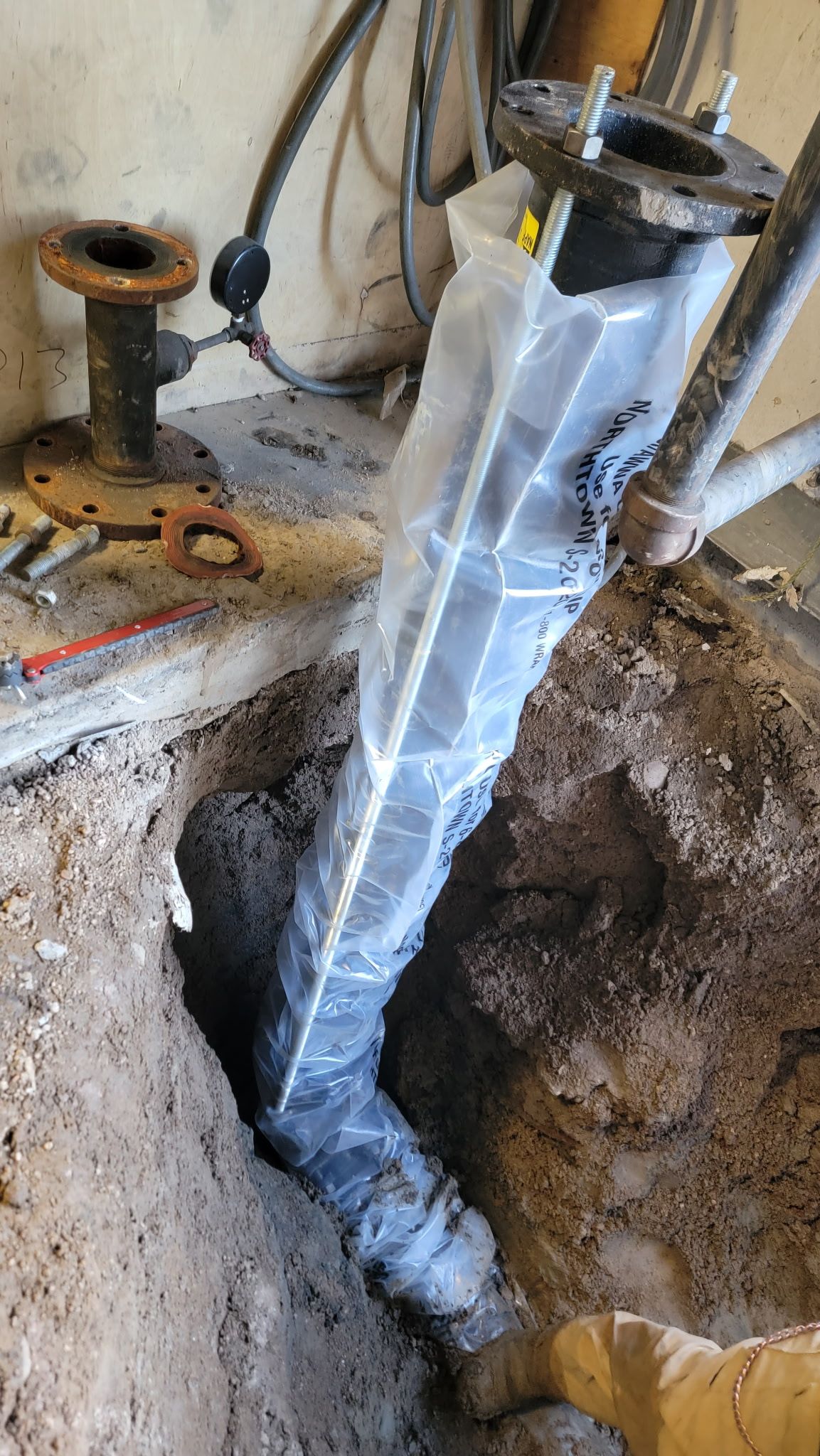
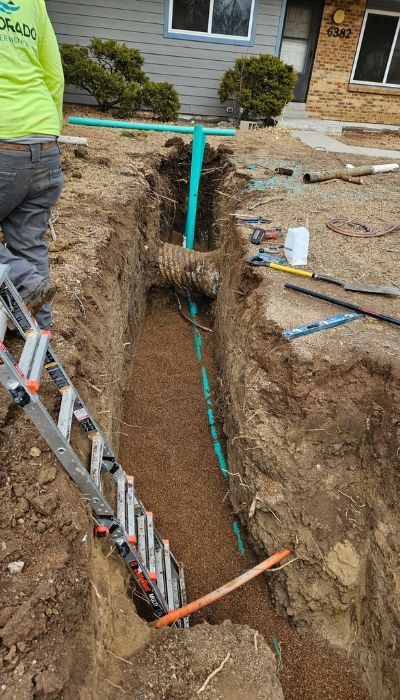
Clogged drains and slow-flowing sewers are common in commercial buildings. Regular drain cleaning ensures wastewater flows efficiently, prevents backups, and minimizes odors. For properties with multiple tenants, proactive
sewer maintenance reduces disruption to business operations.
Fixture Lifecycle Management
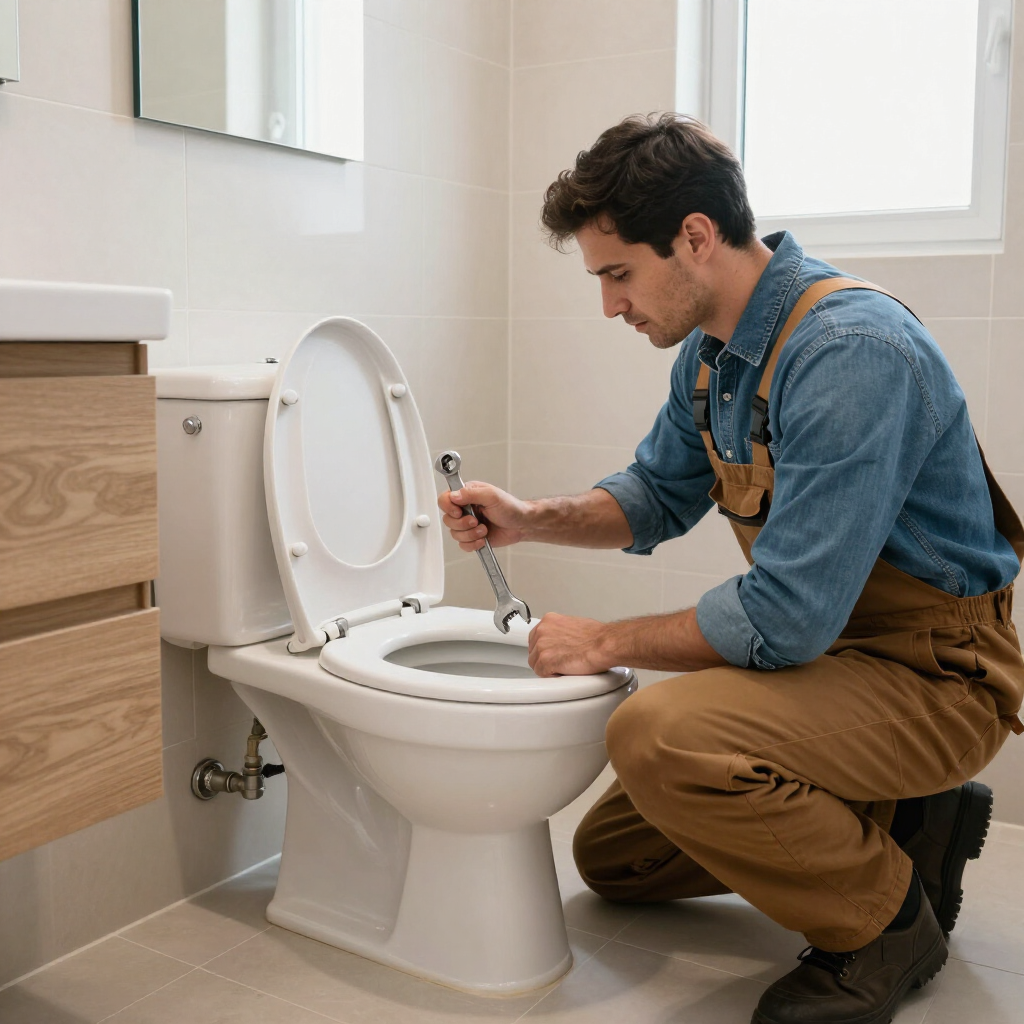
Commercial properties often have high-usage fixtures such as toilets, faucets, and water heaters. Monitoring fixture lifecycles helps property managers schedule replacements or upgrades at the optimal time, avoiding unexpected failures. Routine maintenance of fixtures also conserves water and improves system efficiency.
Code Compliance and Inspections
Denver property managers must ensure plumbing systems comply with local and state codes. Regular inspections confirm adherence to water quality standards, backflow prevention requirements, and building regulations. Non-compliance can result in fines, legal issues, and operational interruptions.
Backflow Prevention
Backflow incidents can contaminate potable water and pose serious health risks. Commercial plumbing maintenance includes testing and servicing backflow prevention devices to ensure they function correctly. Annual inspections and record-keeping help maintain compliance and protect tenants.
Tenant Coordination
Coordinating maintenance with tenants minimizes disruption. Clear communication about scheduled inspections, repairs, and system shutdowns ensures tenants can plan accordingly and reduces complaints. Proper tenant coordination is an essential part of maintaining tenant satisfaction and smooth operations.
Best Practices for Effective Commercial Plumbing Maintenance
Implementing best practices ensures commercial plumbing systems remain reliable and compliant.
Develop a Maintenance Schedule
A structured maintenance schedule outlines inspections, cleaning, and repairs. Annual or semi-annual checks, combined with seasonal assessments, help identify issues early. Using digital logs or maintenance software can track completed tasks and upcoming maintenance needs.
Use Professional Services
Hiring experienced commercial plumbers with knowledge of Denver codes and regulations ensures that maintenance is thorough and compliant. Professionals can detect hidden issues, perform complex repairs, and provide guidance on system upgrades.
Monitor Water Usage
Tracking water consumption can reveal leaks, inefficiencies, or unusual usage patterns. Advanced metering systems allow property managers to identify problems early and take corrective action before damage occurs.
Prioritize Critical Systems
Certain areas, such as fire sprinkler systems, water heaters, and main supply lines, require extra attention. Regular inspection and testing of these critical systems reduce risk and prevent emergencies.
Maintain Records and Documentation
Documentation of inspections, repairs, and compliance tests is essential for regulatory purposes and future planning. Detailed records help identify recurring issues, track fixture lifecycles, and demonstrate adherence to local codes.
Plan for Upgrades and Replacements
A proactive approach to upgrading aging pipes, valves, or fixtures prevents unexpected failures. Evaluating new technology or water-efficient systems can reduce long-term operational costs and improve overall system performance.
The Benefits of Commercial Plumbing Maintenance in Denver
Proactive maintenance reduces emergency repair expenses, extends the life of
plumbing systems, and lowers water bills through efficient fixtures and leak prevention.
Enhanced Tenant Satisfaction: Well-maintained plumbing systems ensure uninterrupted operations, comfort, and safety for tenants, improving retention and reputation.
Regulatory Compliance: Regular inspections and adherence to code prevent fines, legal issues, and operational interruptions.
Sustainability: Maintaining efficient plumbing systems supports water conservation efforts, reduces waste, and contributes to environmentally responsible property management.
Conclusion
Regular commercial plumbing maintenance in Denver protects property value, tenant satisfaction, and operational efficiency. Preventative checks, drain cleaning, fixture lifecycle management, code compliance, and backflow prevention are key components of an effective maintenance program. By following best practices and coordinating with tenants, property managers can prevent costly emergencies and extend the life of their plumbing systems.
Connect with Colorado Water Works for professional, prompt plumbing services.
Frequently Asked Questions